
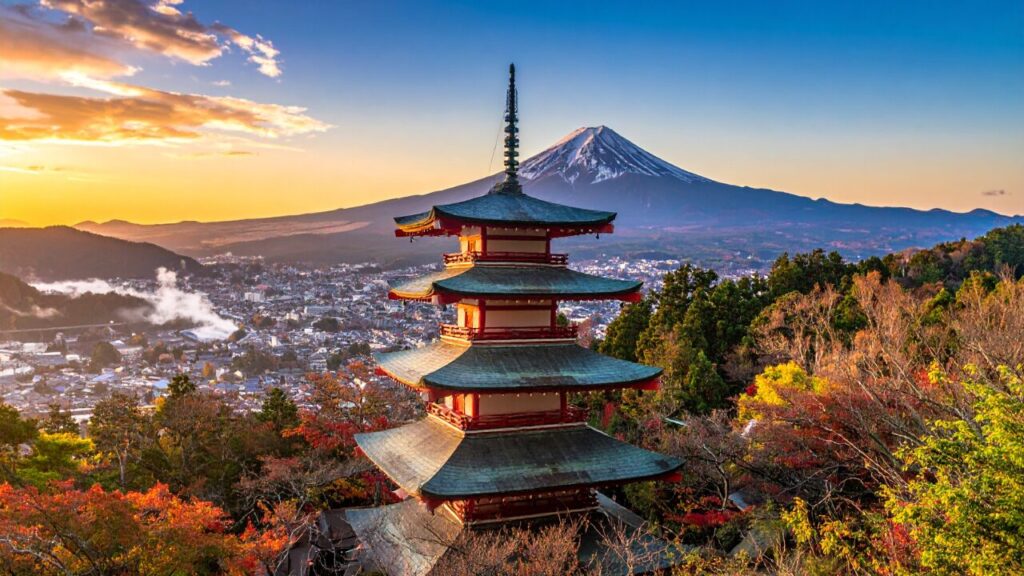
Japan is home to a unique blend of cultural and natural World Heritage Sites, ranging from ancient temples and sacred mountains to untouched forests and remote islands.
As of 2026, Japan has over 25 UNESCO World Heritage Sites, each offering a different perspective on the country’s history, religion, and natural beauty.
In this guide, I will introduce all of Japan’s World Heritage Sites by region, making it easier for you to plan your trip.
目次
Hokkaido & Tohoku Region
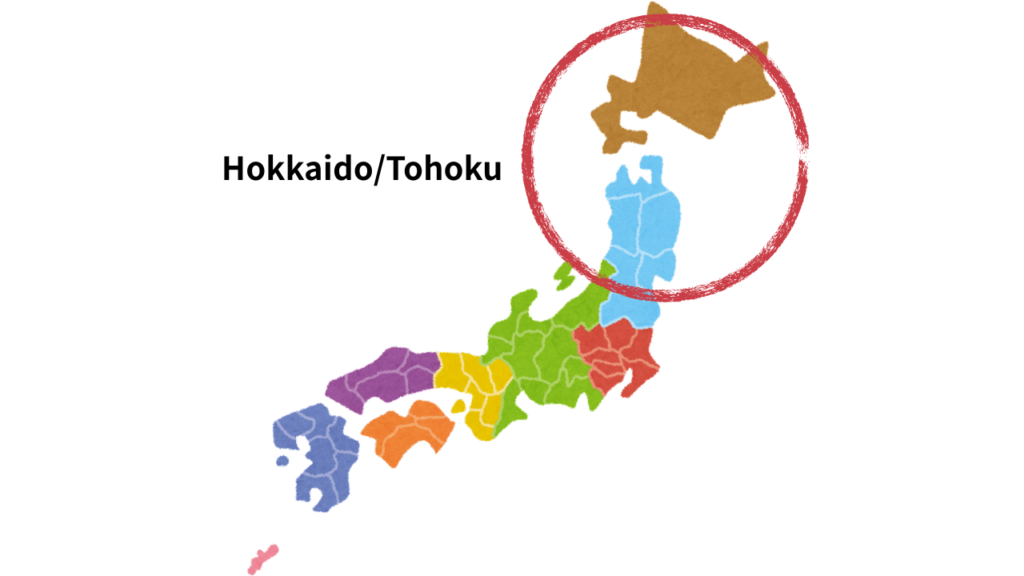
This northern region is known for its vast nature and ancient history.
Hokkaido
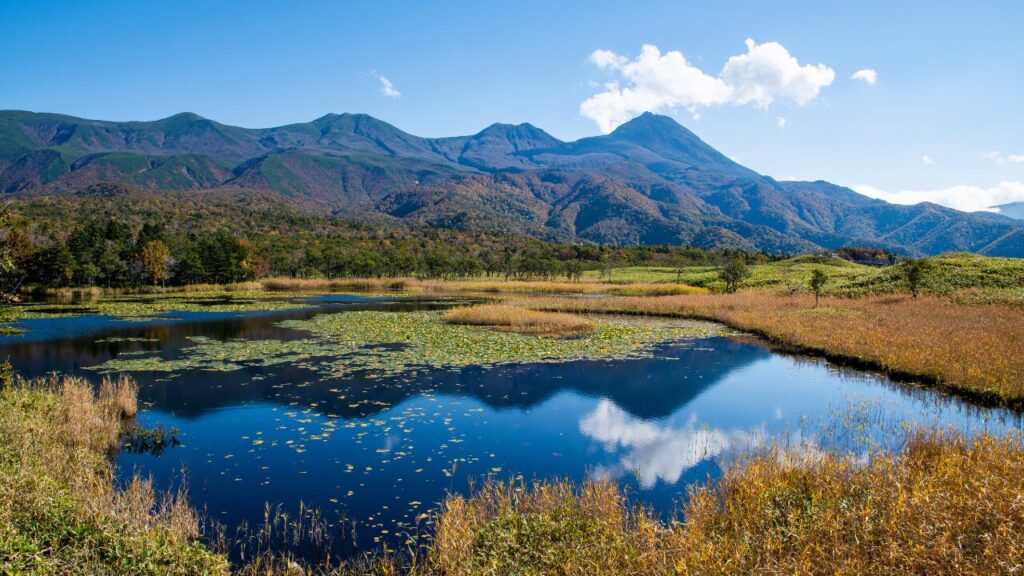
Shiretoko (Natural)
Aomori / Akita
Shirakami-Sanchi (Natural)
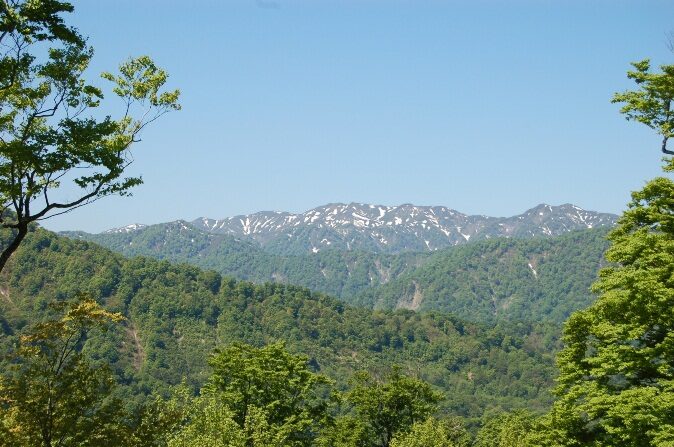
photo by:https://www.shirakami-visitor.jp/nyuuzan.html
Jomon Prehistoric Sites of Northern Japan (Cultural)
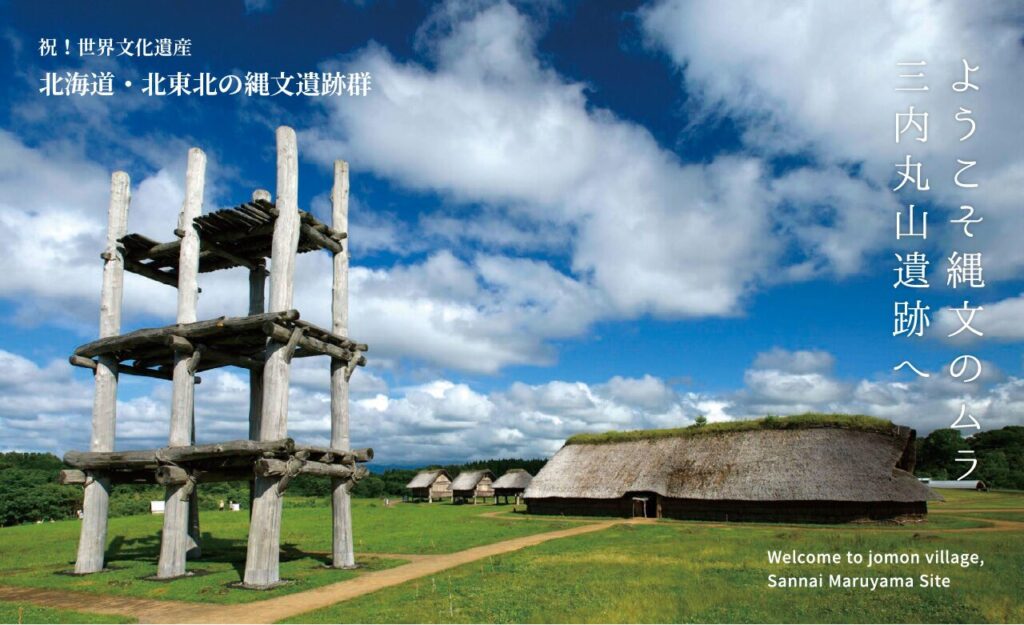
photo by :https://sannaimaruyama.pref.aomori.jp/
Iwate
Hiraizumi – Temples, Gardens and Archaeological Sites (Cultural)
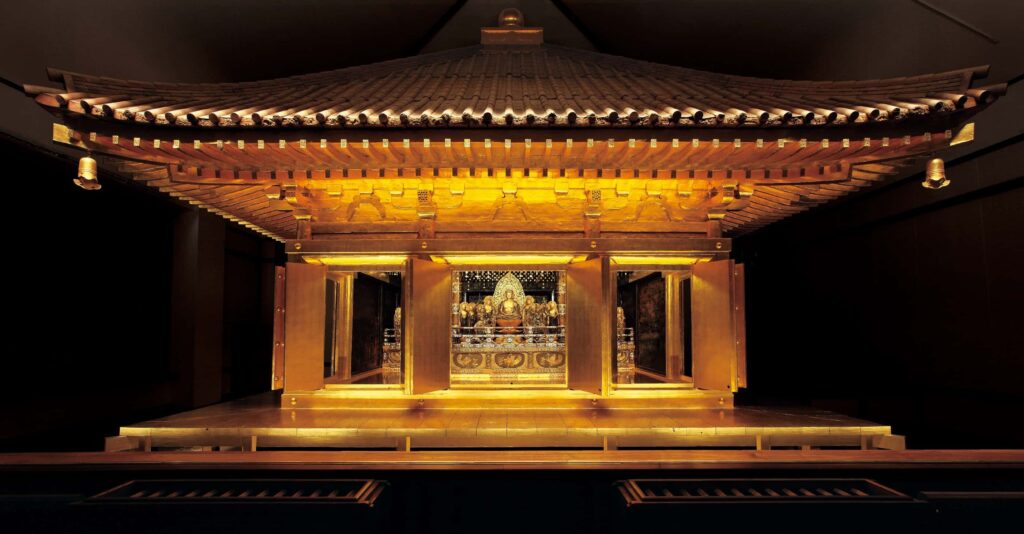
photo by :https://www.chusonji.or.jp/know/konjikido.html
Kanto Region
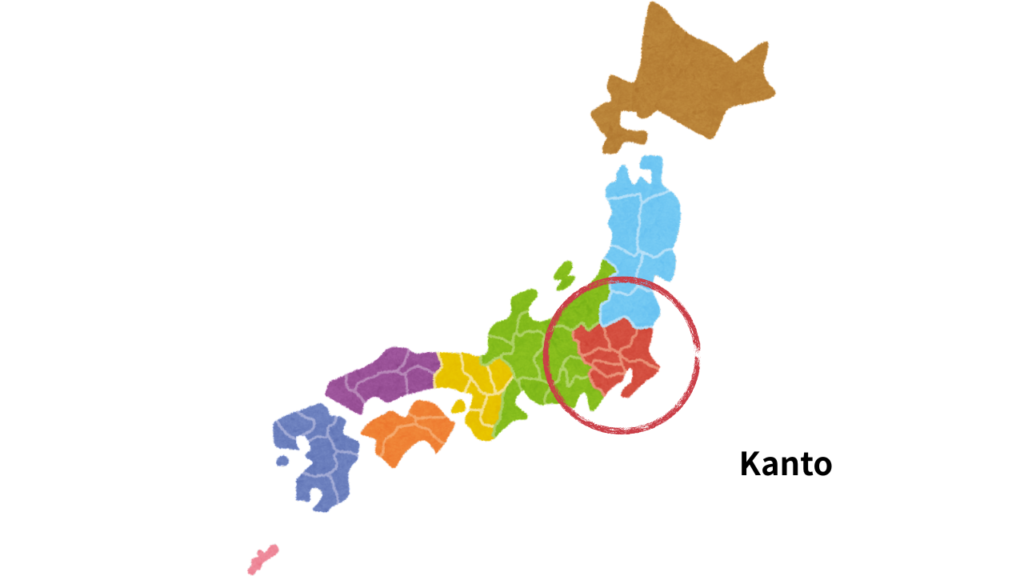
Close to Tokyo, this region offers a mix of history and accessible nature.
Tochigi
Shrines and Temples of Nikko (Cultural)
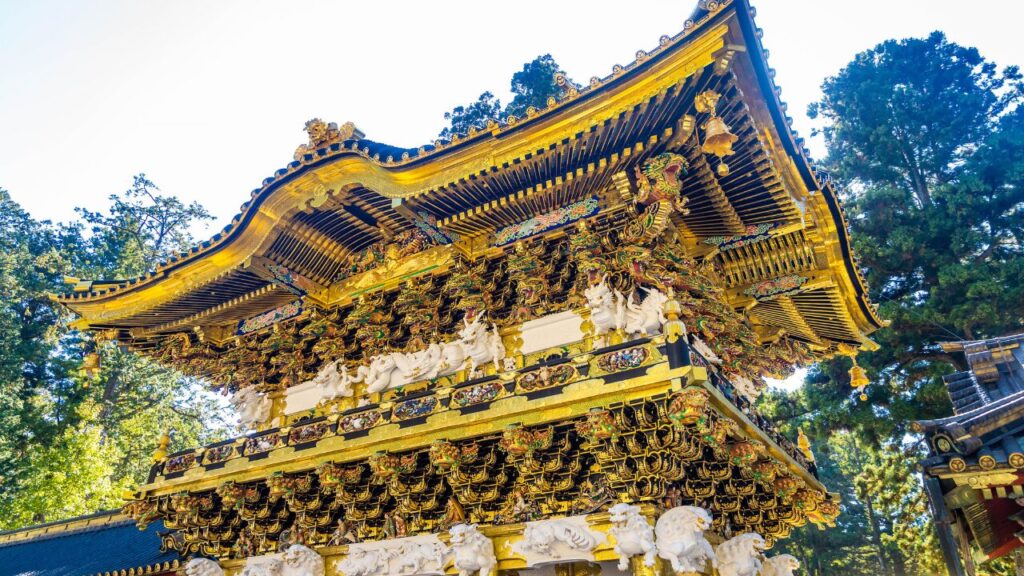
Gunma
Tomioka Silk Mill and Related Sites (Cultural)

Tokyo
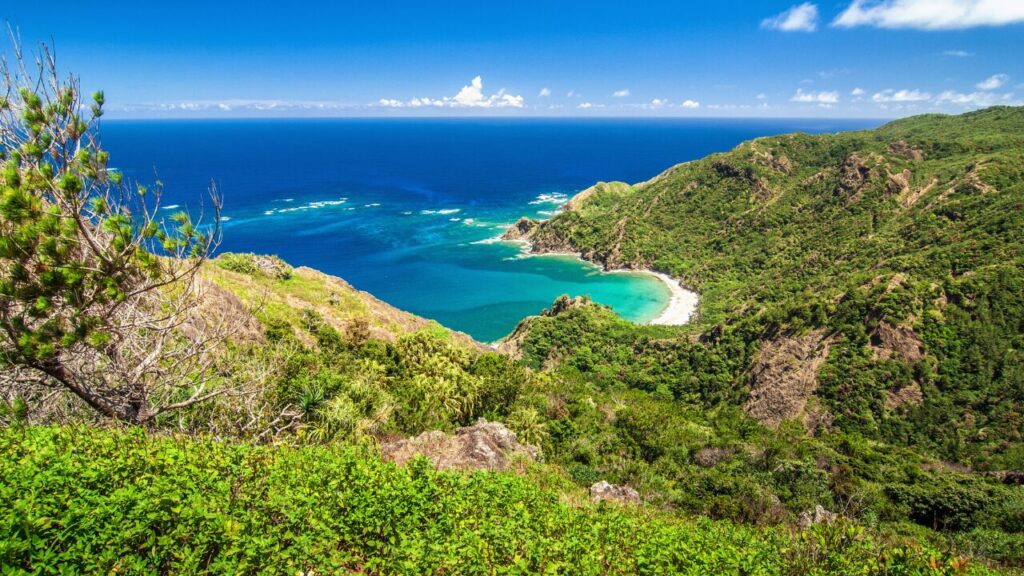
Ogasawara Islands (Natural)
Chubu Region (Central Japan)
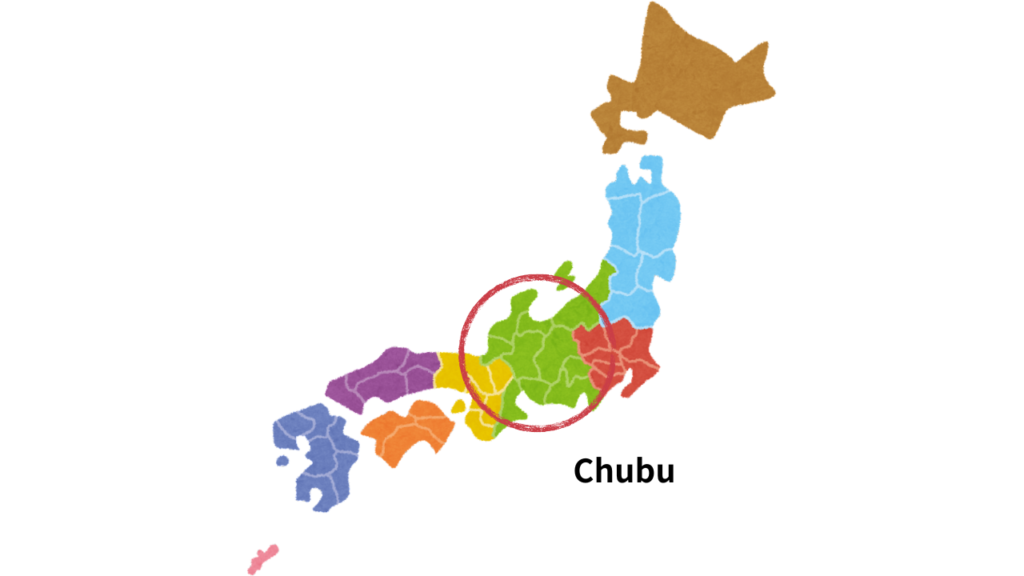
Famous for Mt. Fuji and traditional villages.
Niigata
Sado Island Gold Mines (Cultural)
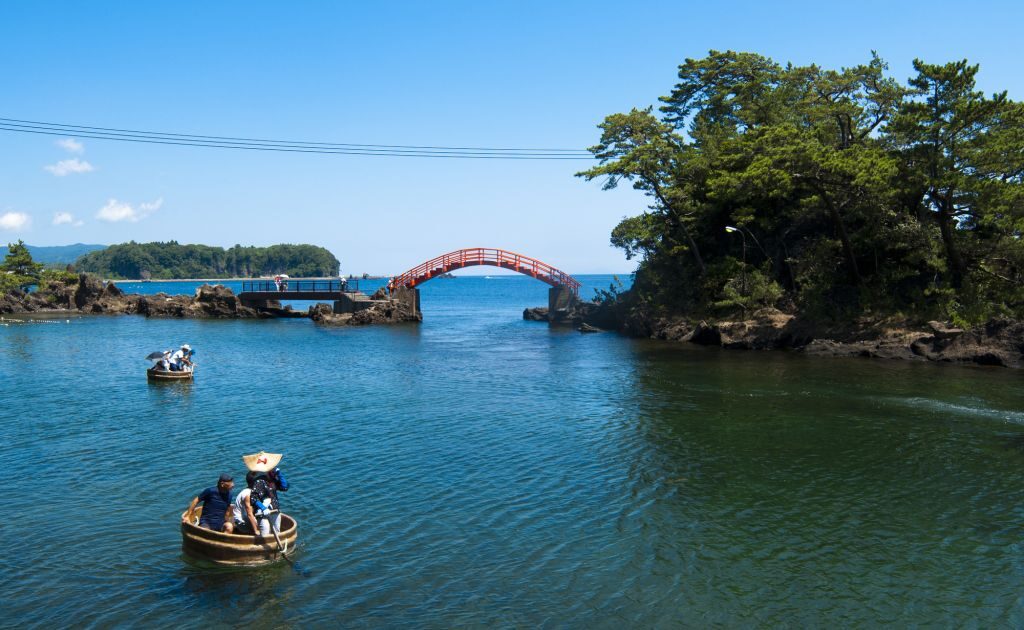
photo by: https://niigata-kankou.or.jp/course/30932
Yamanashi / Shizuoka
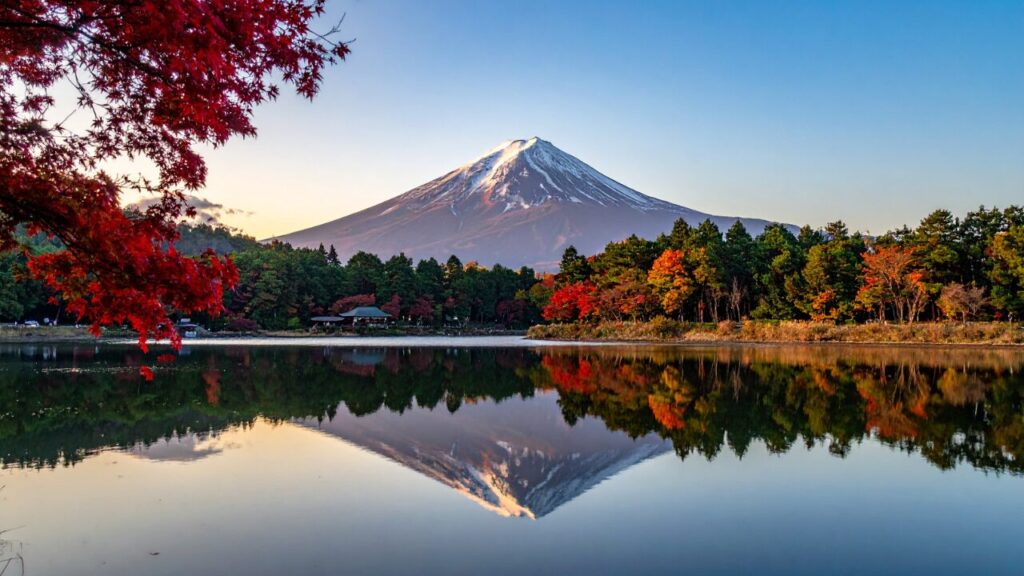
Mount Fuji (Cultural)
Gifu
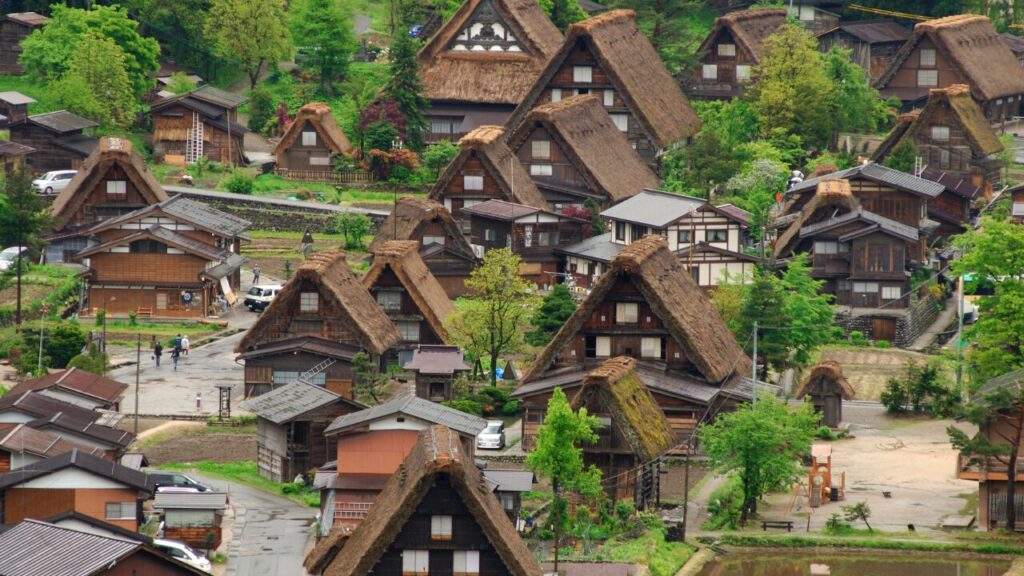
Historic Villages of Shirakawa-go and Gokayama (Cultural)
Kansai Region
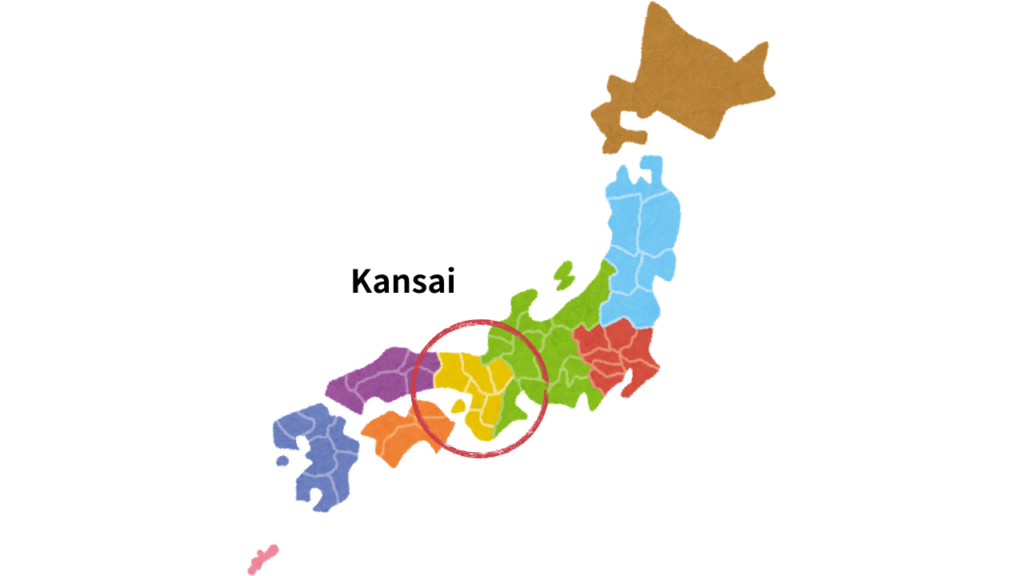
The cultural heart of Japan with many historic cities.
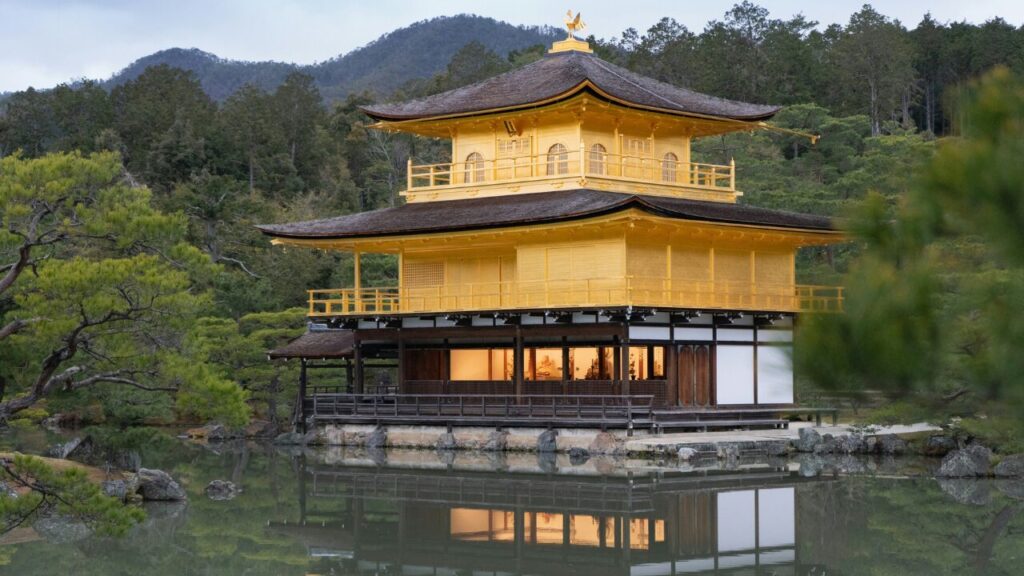
Kyoto
Historic Monuments of Ancient Kyoto (Cultural)
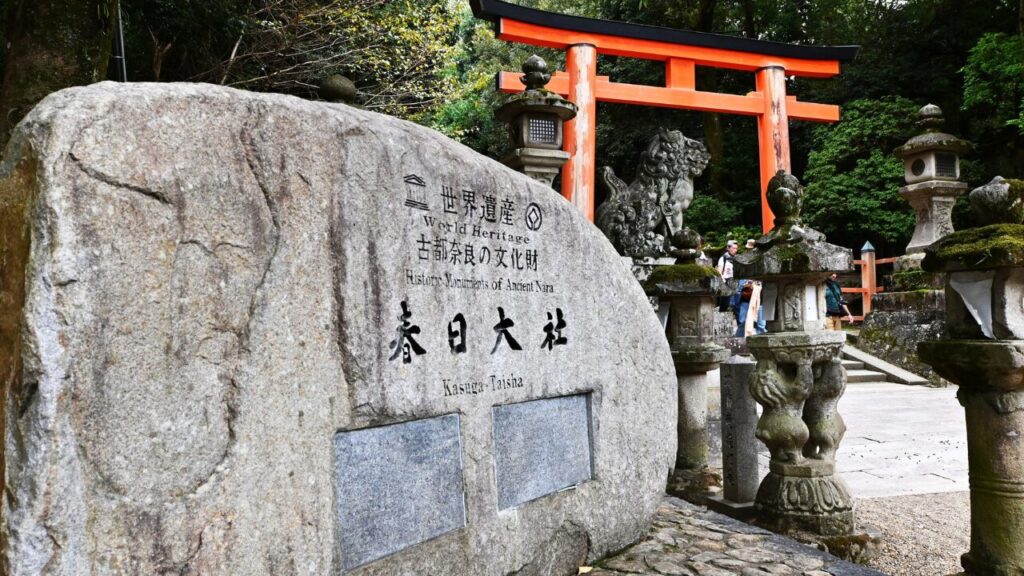
Nara
Historic Monuments of Ancient Nara (Cultural)
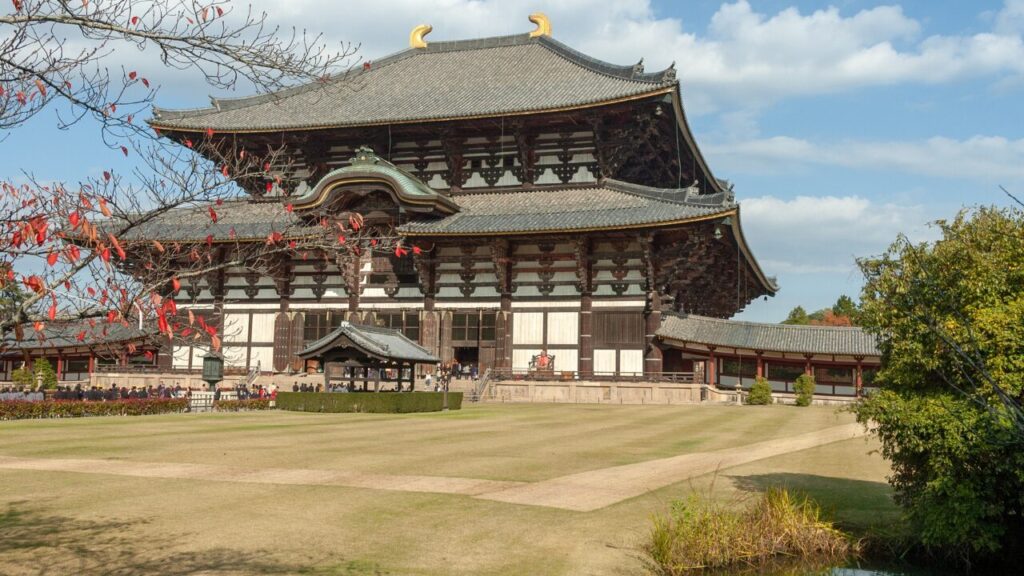
Buddhist Monuments in the Horyu-ji Area (Cultural)
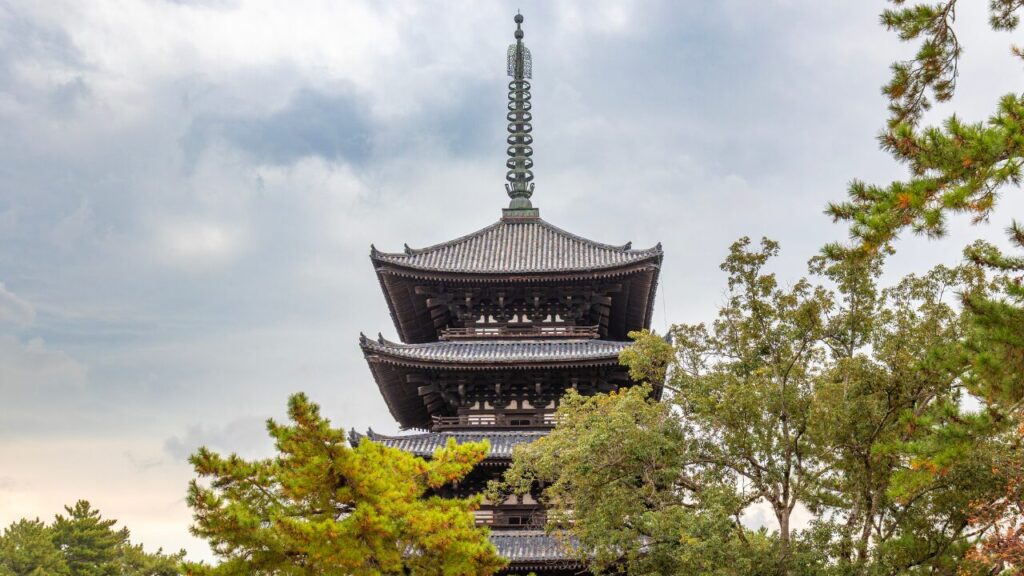
Mie / Nara / Wakayama
Sacred Sites and Pilgrimage Routes in the Kii Mountain Range (Cultural)
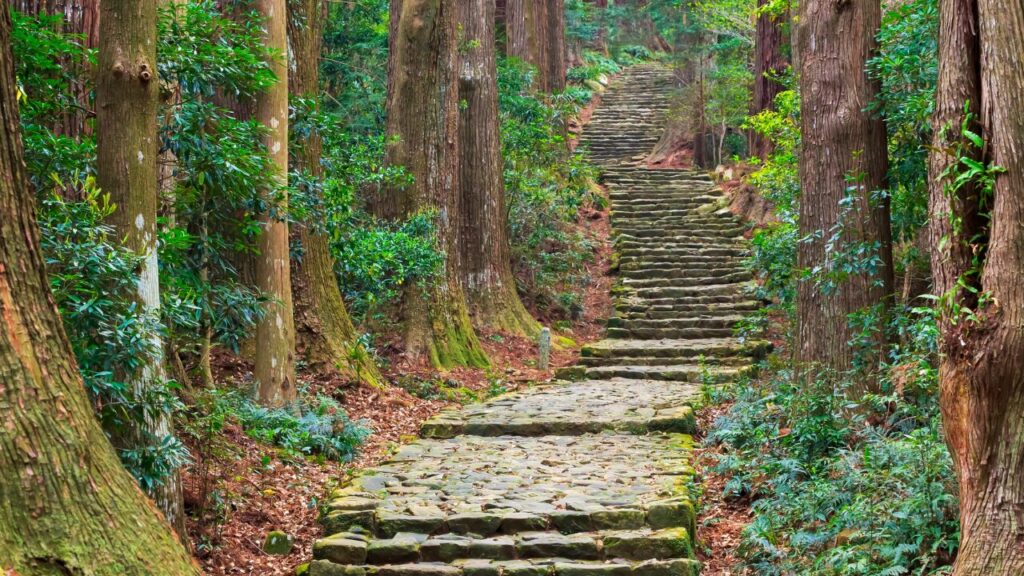
Osaka
Mozu-Furuichi Kofun Group (Cultural)
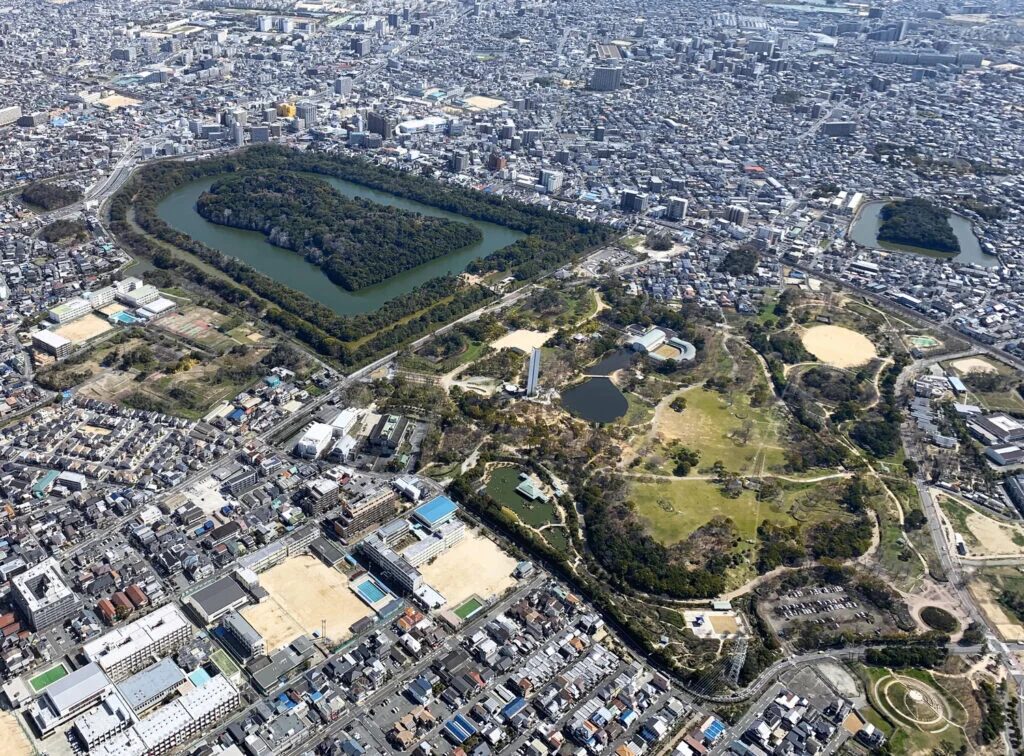
photo by : https://kosodate.nankai-ensenkachi.com/article/20230726/
Hyogo
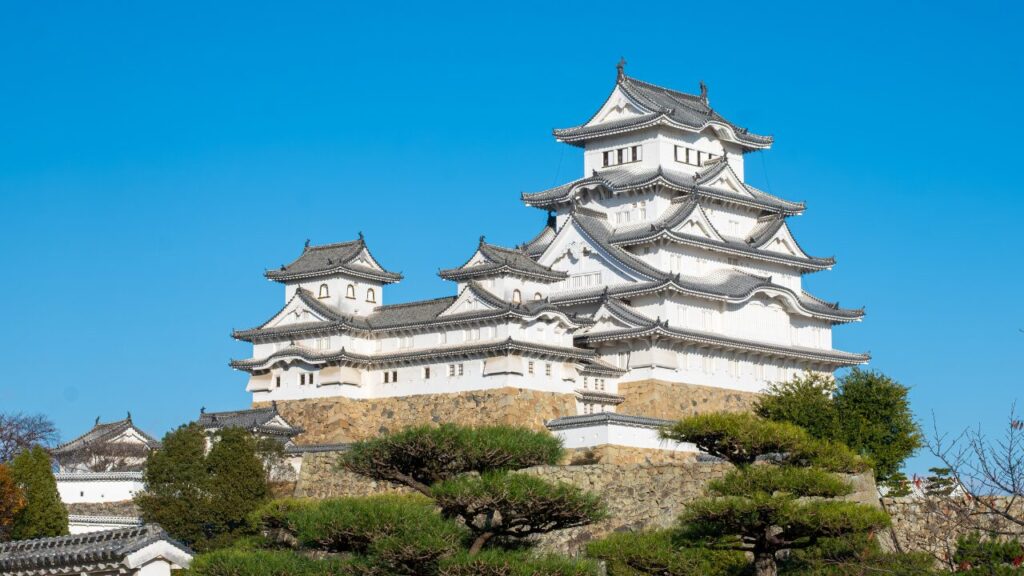
Himeji Castle (Cultural)
Chugoku & Shikoku Region
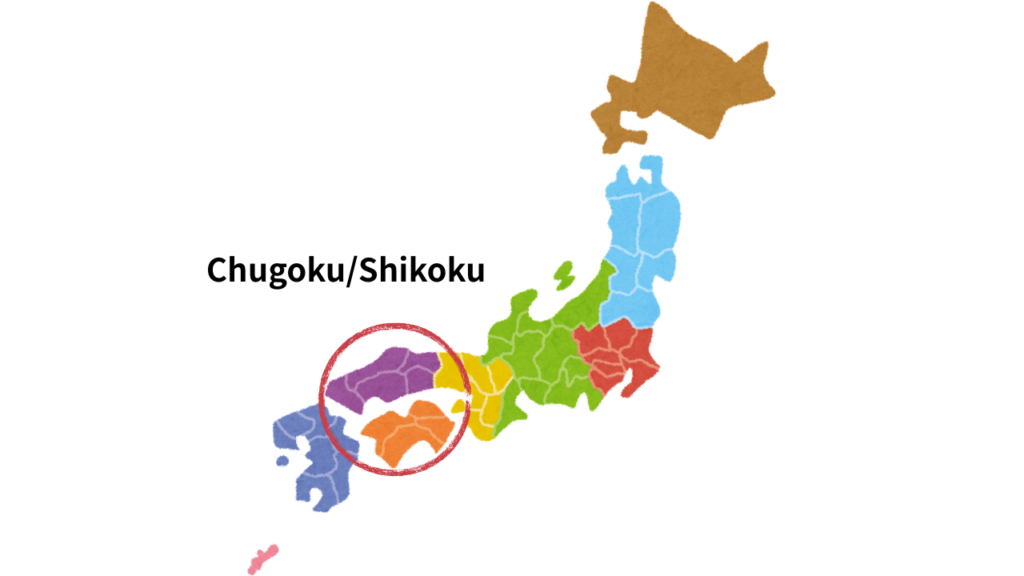
Known for important historical landmarks.
Hiroshima
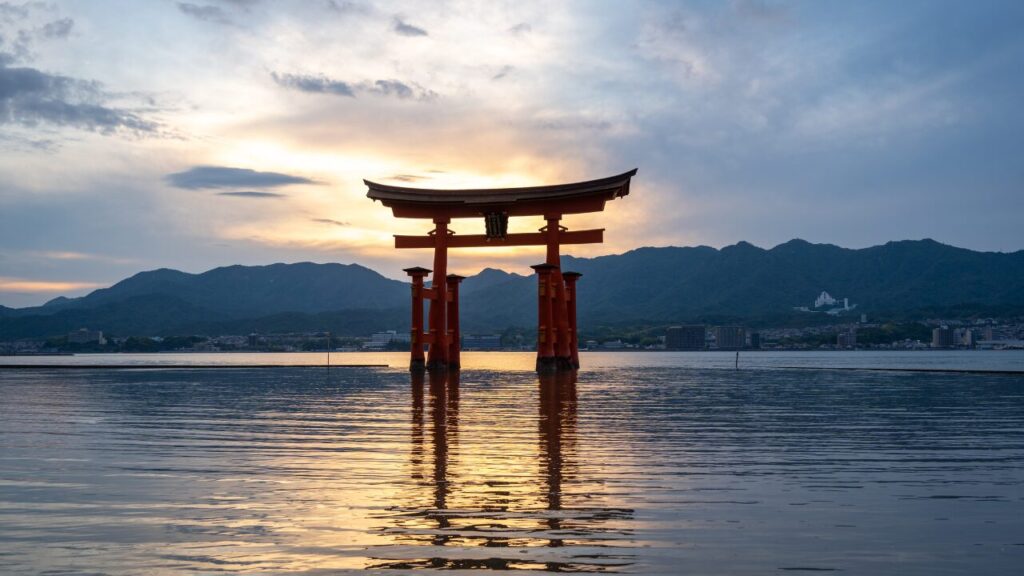
Itsukushima Shrine (Cultural)
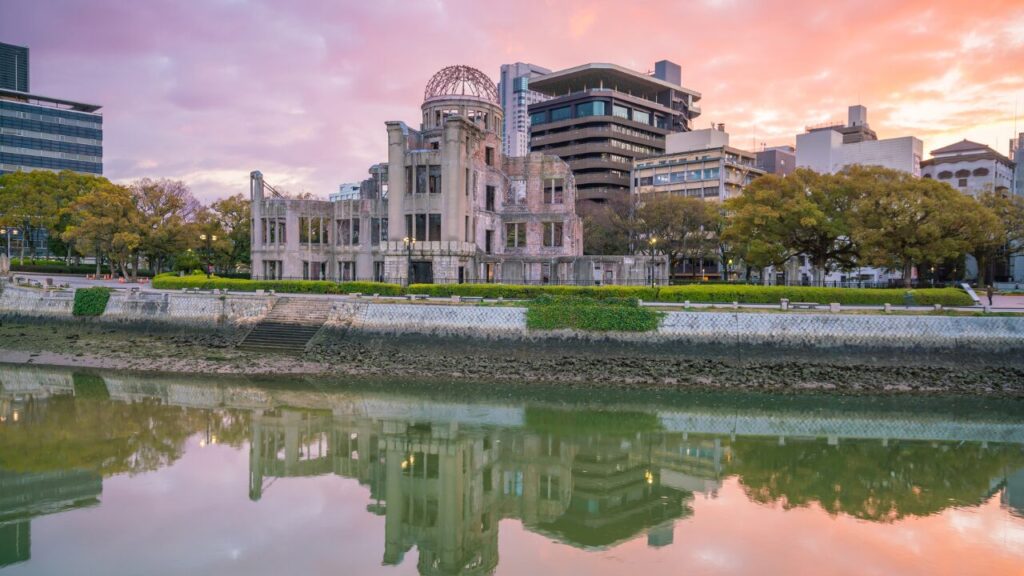
Atomic Bomb Dome (Cultural)
Kyushu & Okinawa Region
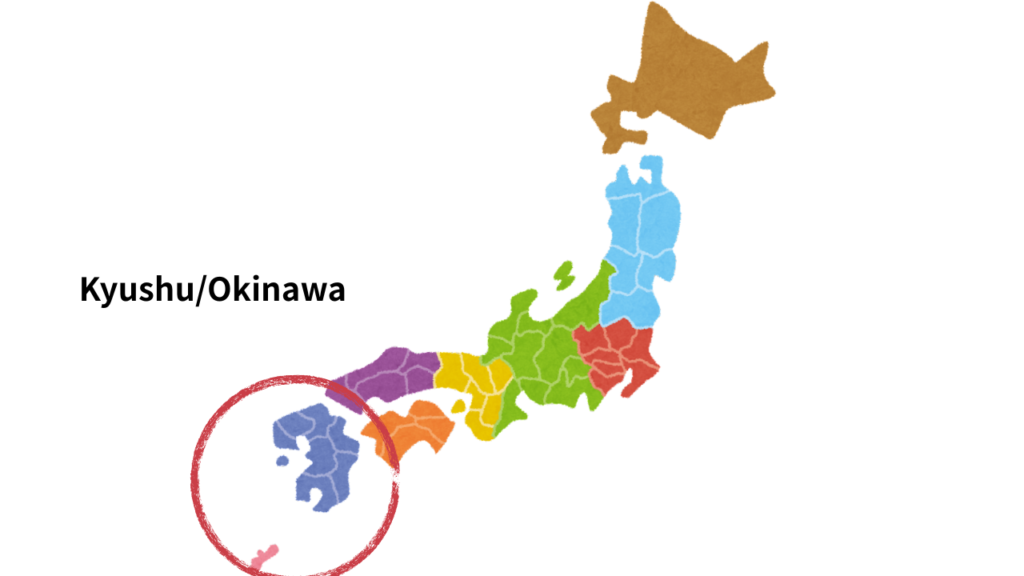
A region rich in both nature and unique cultural history.
Fukuoka
Sacred Island of Okinoshima (Cultural)

Nagasaki
Hidden Christian Sites in the Nagasaki Region (Cultural)
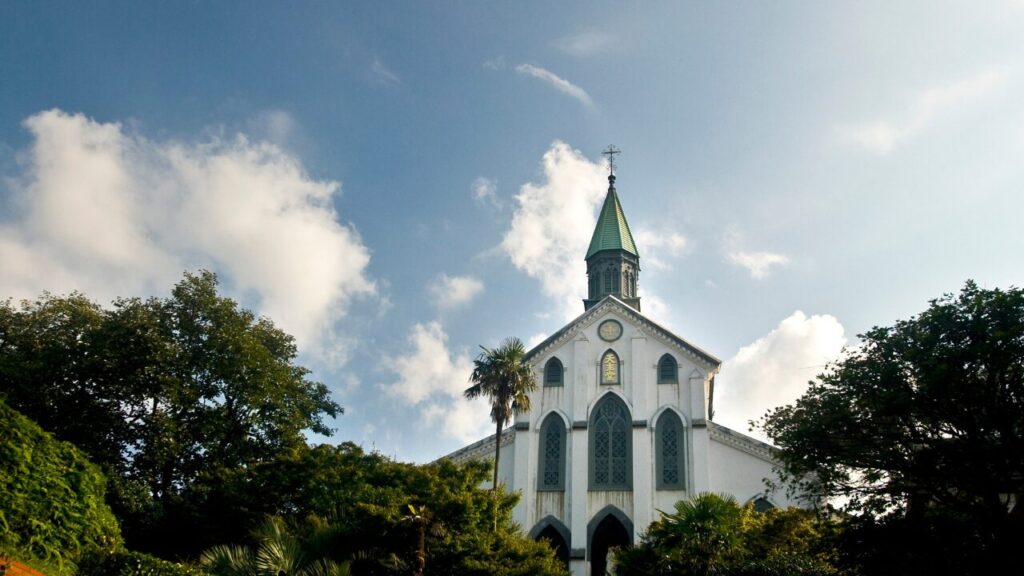
Sites of Japan’s Meiji Industrial Revolution (Cultural)

Kagoshima
Yakushima (Natural)
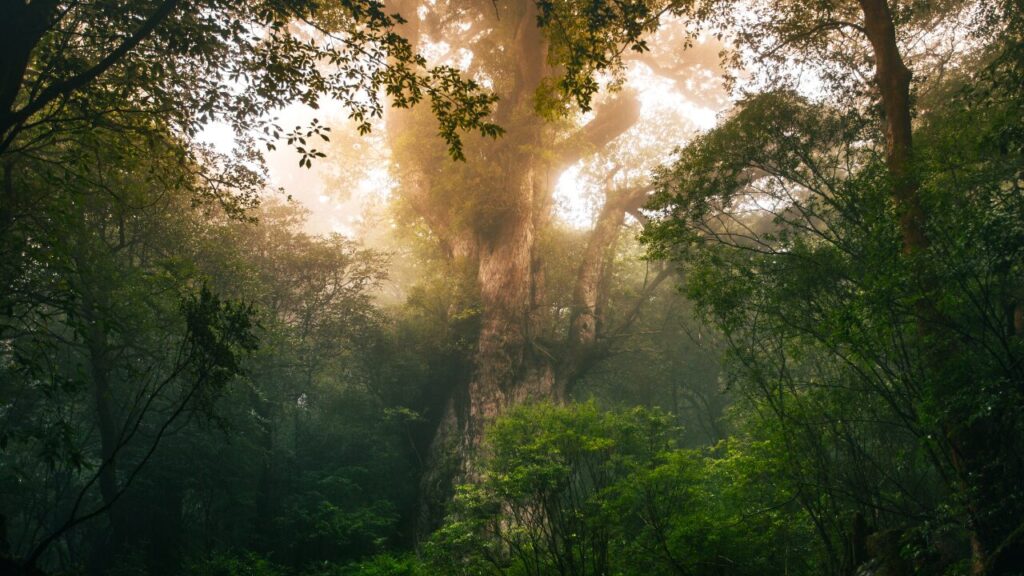
Amami-Oshima and Tokunoshima (Natural)
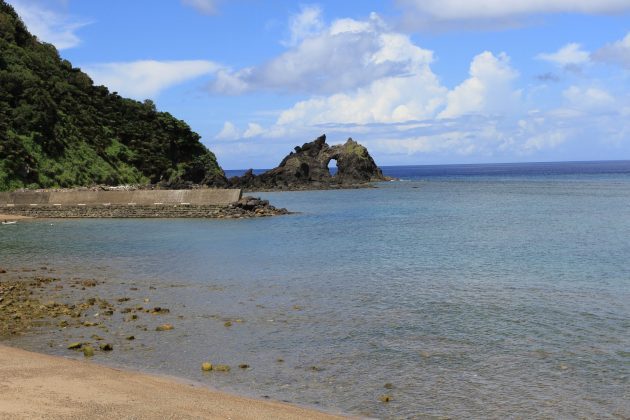
photo by: あまみの、
Okinawa
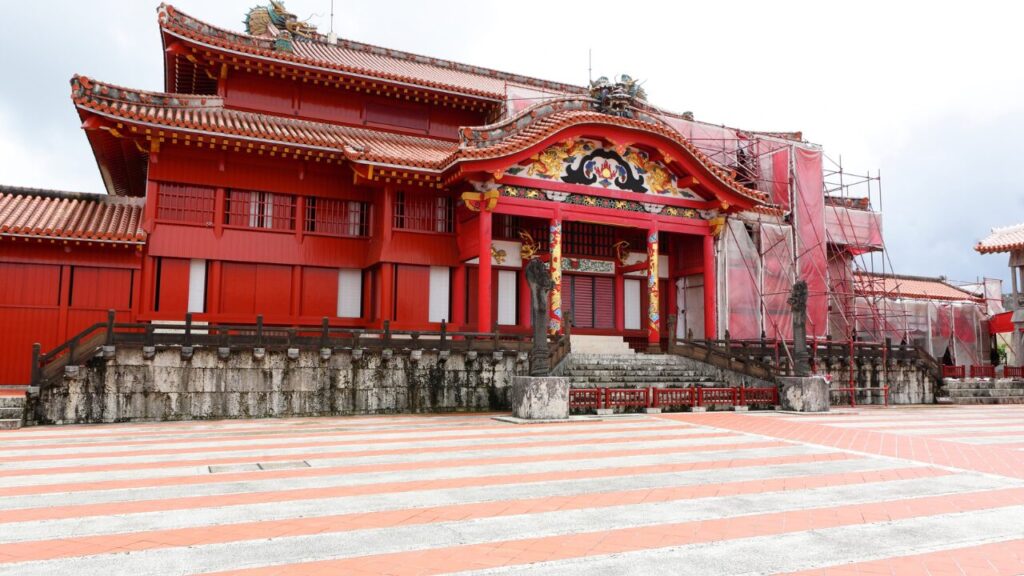
Gusuku Sites and Related Properties of the Kingdom of Ryukyu (Cultural)
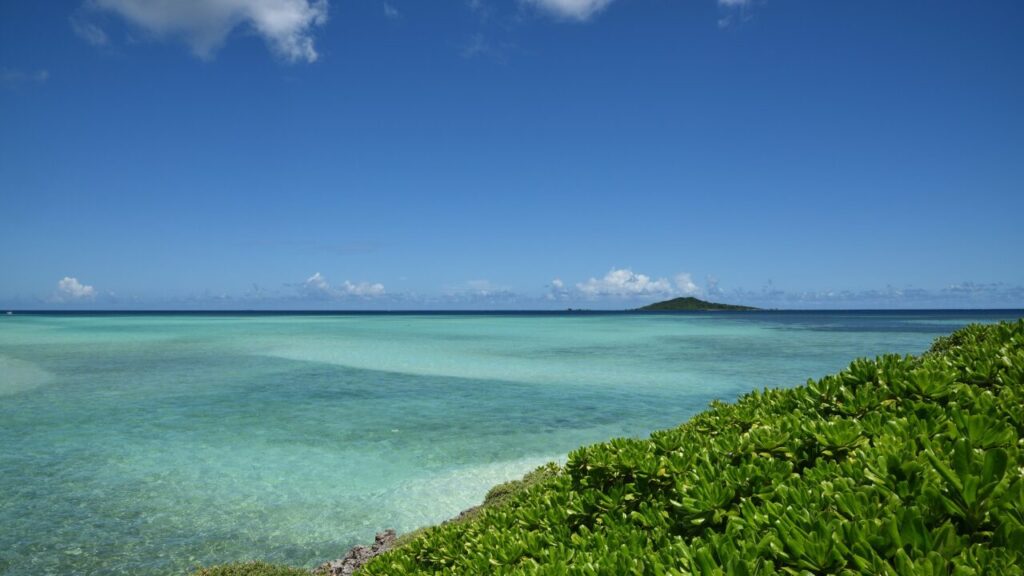
Northern Okinawa Island (Natural)
Summary of Japan’s World Heritage Sites
Cultural Heritage Sites: 20+
Natural Heritage Sites: 5
Japan offers a wide range of UNESCO World Heritage Sites that are perfect for first-time visitors who want to experience both traditional culture and natural beauty in one trip.
Cultural sites include famous destinations like Kyoto and Nara, where you can explore ancient temples, shrines, and historic streets that reflect Japan’s long history and deep-rooted traditions. These locations are easy to access and are often highlights of a first trip to Japan.
On the other hand, natural heritage sites such as Yakushima and Shiretoko showcase a completely different side of the country. These areas are known for their untouched forests, unique wildlife, and stunning landscapes, offering a more adventurous and peaceful experience away from big cities.
For first-time travelers, Japan’s World Heritage Sites provide a balanced introduction to the country. You can enjoy modern cities like Tokyo while also visiting historical landmarks and scenic nature spots, all connected by a convenient and reliable transportation system.

Whether you're interested in culture, nature, or both, Japan’s World Heritage Sites make it easy to experience the best of Japan in a single trip.
Travel Tips for Visiting World Heritage Sites in Japan
Use a JR Pass for efficient travel between regions
If you plan to visit multiple cities, a JR Pass (Japan Rail Pass) can save both time and money.

Japan’s train system is fast, reliable, and covers most major destinations, including World Heritage Sites.
For example, you can travel from Tokyo to Kyoto, Hiroshima, or even Kyushu using the Shinkansen (bullet train).
Make sure to compare the cost of individual tickets vs. the pass based on your itinerary before purchasing.
Visit early in the morning to avoid crowds
Popular sites like Kyoto, Nara, and Nikko can get very crowded, especially during peak seasons.
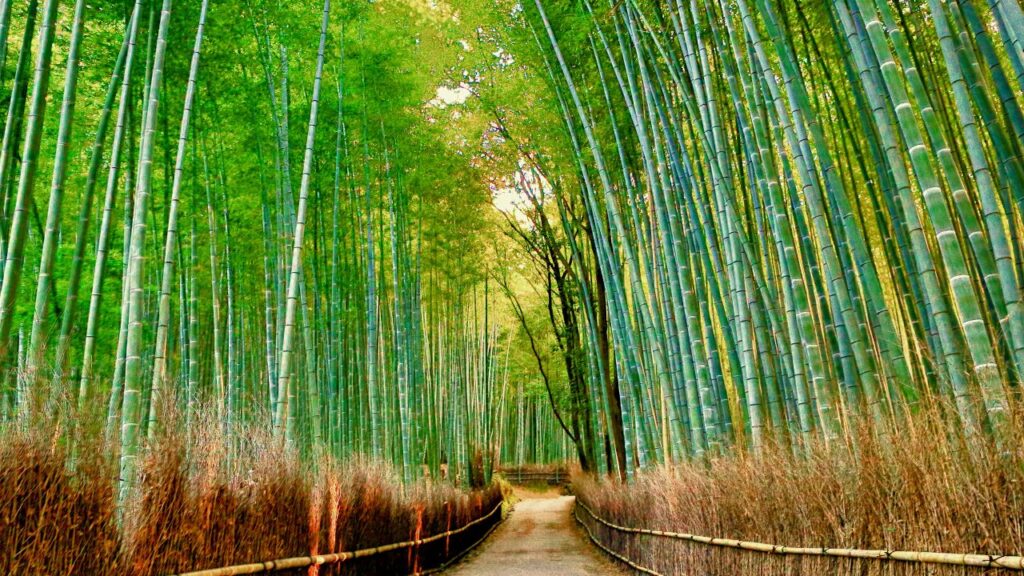
Arriving right after opening hours (around 8:00–9:00 AM) allows you to enjoy a quieter atmosphere, take better photos, and explore at a more relaxed pace.
Early visits are especially recommended for temples, shrines, and famous landmarks.
Combine nearby sites for a smoother itinerary
Many World Heritage Sites are located close to each other, making it easy to visit multiple spots in one trip.
For example, you can combine Kyoto and Nara in 1–2 days, or visit Hiroshima and Miyajima (Itsukushima Shrine) in a single day.
Planning your route by region will help reduce travel time and maximize your experience.
Check seasonal highlights before your trip
Japan’s scenery changes dramatically with the seasons, and timing your visit can make a huge difference.
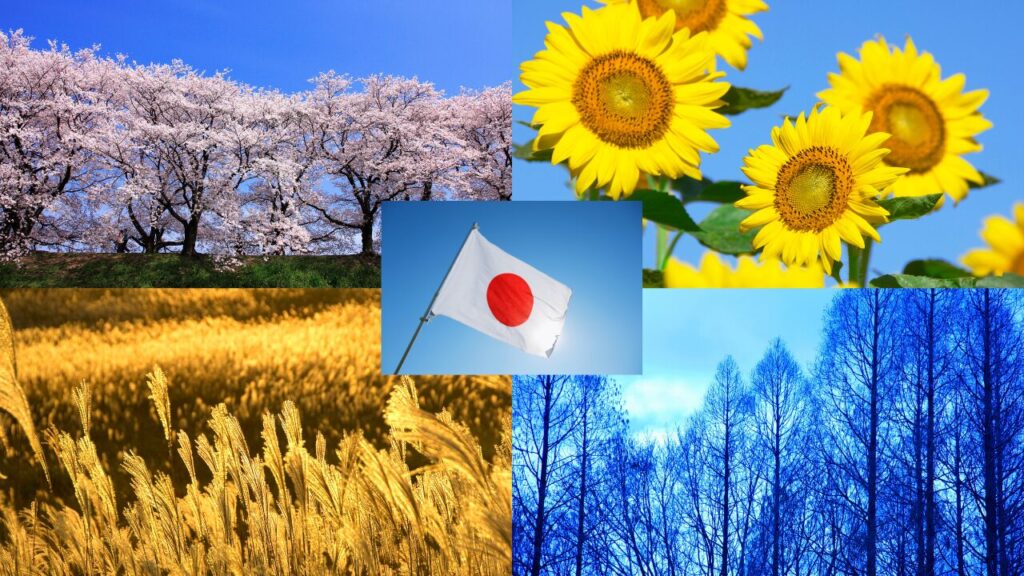
- Spring (March–April): Cherry blossoms (sakura)
- Autumn (November): Colorful fall foliage
- Summer: Lush green landscapes and festivals
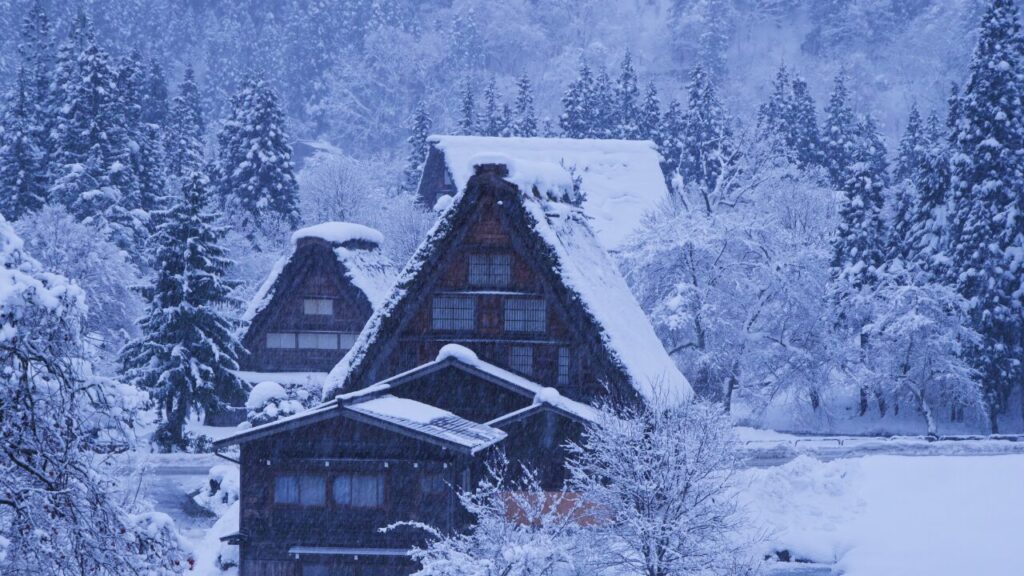
- Winter: Snow-covered temples and fewer crowds
Some World Heritage Sites, like Shirakawa-go or Himeji Castle, look completely different depending on the season, so it’s worth planning ahead based on what you want to see.
By following these tips, you can make your trip more efficient, avoid common travel stress, and fully enjoy Japan’s incredible World Heritage Sites.
Final Thoughts
Exploring Japan’s World Heritage Sites is one of the most rewarding ways to truly understand the country’s deep cultural roots and breathtaking natural beauty. From centuries-old temples and sacred pilgrimage routes to remote islands and ancient forests, each site tells a different story about Japan’s history, religion, and way of life.
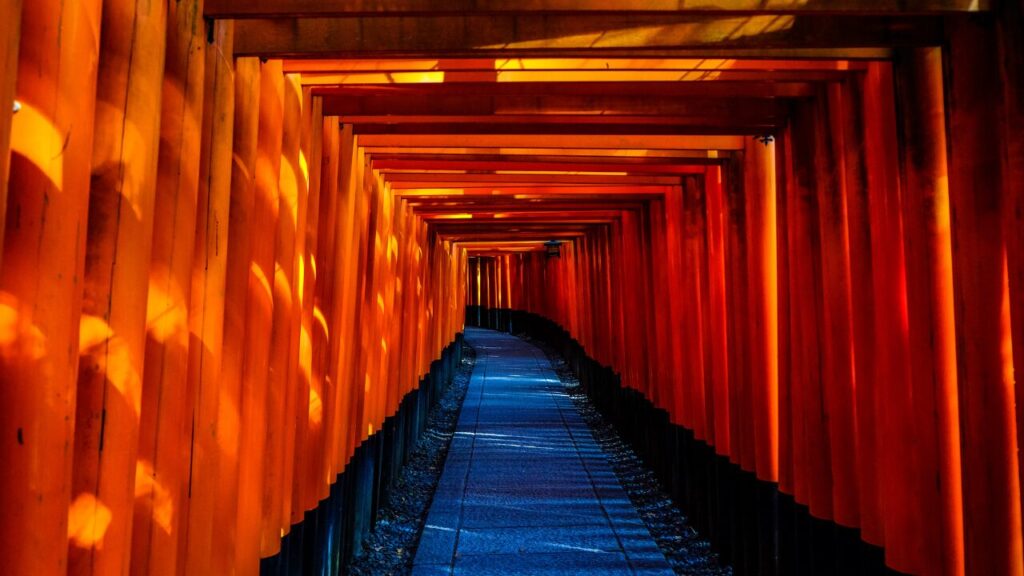
Whether you're visiting Japan for the first time or returning for another trip, these destinations offer unique and unforgettable experiences in every region.
First-time visitors can enjoy iconic cultural spots like Kyoto and Nara, while repeat travelers may choose to explore more off-the-beaten-path locations such as Yakushima or the Ogasawara Islands for a deeper connection with nature.
When planning your itinerary, it’s highly recommended to balance cultural landmarks with natural destinations. For example, you might spend a few days exploring historic temples and shrines, then head to a national park or island to experience Japan’s scenic landscapes and slower pace of life. This combination allows you to see both the traditional and natural sides of Japan, creating a more complete travel experience.
Thanks to Japan’s efficient transportation system, it’s relatively easy to travel between regions and visit multiple World Heritage Sites in one trip. With careful planning, even a short stay can include several highlights from different parts of the country.
No matter how you choose to explore, Japan’s World Heritage Sites offer a journey through history, culture, and nature that will leave a lasting impression and make your trip truly unforgettable.
Save this guide and choose the perfect season for your Japan adventure
Thank you for reading!! I hope you enjoy traveling Japan.

Von voyage 🇯🇵