
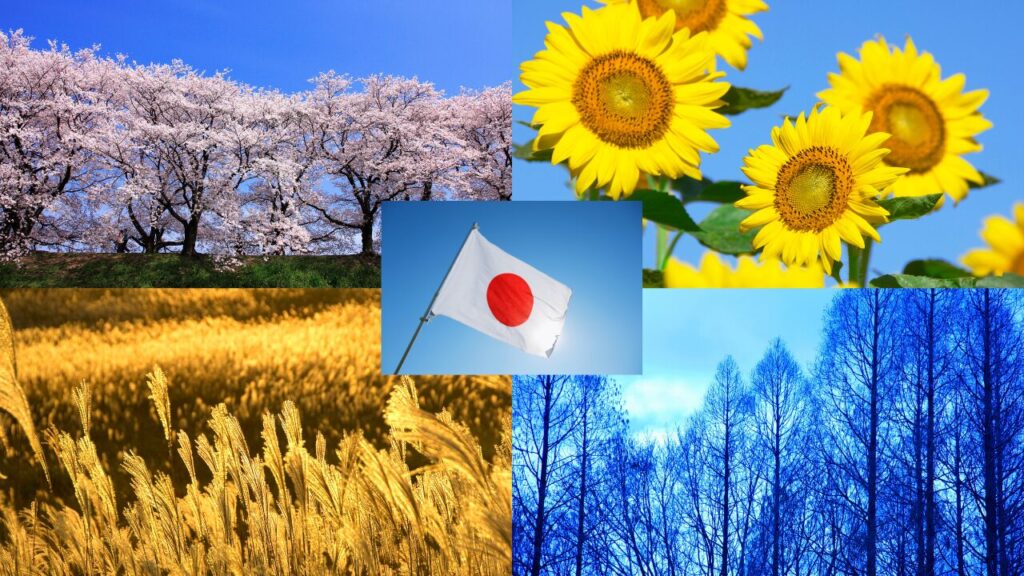
Japan is a country where your travel experience changes dramatically depending on the season. Unlike many destinations with similar weather year-round, Japan has four clearly defined seasons — each offering completely different landscapes, activities, and cultural experiences.
Cherry blossoms in spring, vibrant festivals and fireworks in summer, breathtaking autumn leaves, and snowy villages and hot springs in winter. Choosing the right season is just as important as choosing the destination itself.
Many travelers make the mistake of planning their Japan trip without considering seasonal differences.
Visiting the wrong place at the wrong time can mean extreme heat, heavy rain, missed scenery, or overcrowded tourist spots. On the other hand, traveling at the right time can turn a good trip into an unforgettable one.
This guide shows you where to visit in Japan by season, helping you match your travel style with the best destinations throughout the year. Whether you’re visiting Japan for the first time, planning a return trip, or looking for the perfect timing for nature, culture, or outdoor activities, this article will help you plan smarter.

Hola!! I am Japanese, I love traveling and have visited all prefecture (47) in Japan.
From famous cities to hidden regional gems, you’ll discover how to experience Japan at its best — season by season.
Save this guide and choose the perfect time and place for your Japan adventure 🇯🇵✨
Spring (March – May)
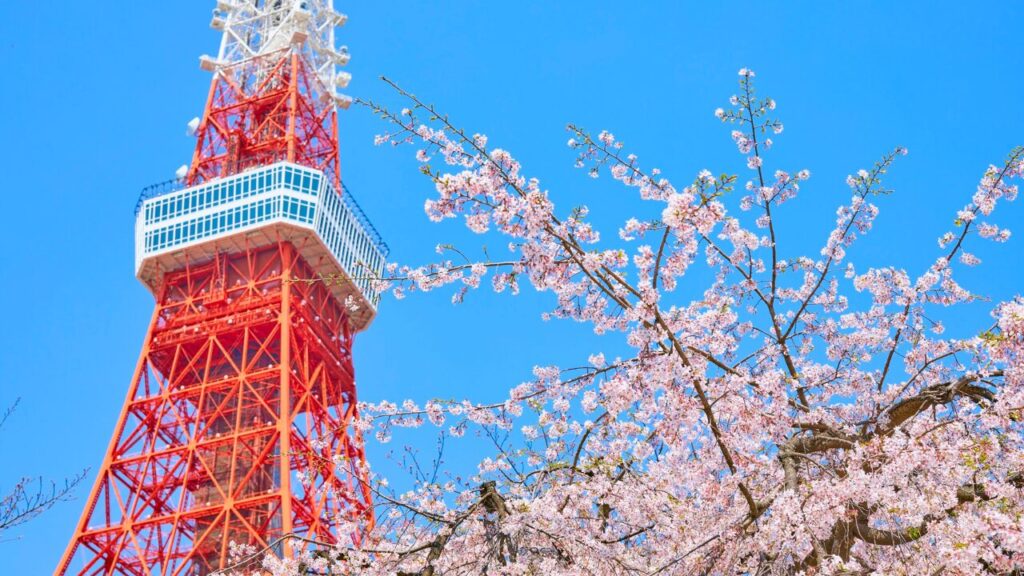
Spring is one of the most beautiful and popular seasons in Japan. As winter fades, cherry blossoms bloom across the country, coloring cities, parks, riversides, and mountains in soft shades of pink and white. The bloom starts in southern Japan and gradually moves north, allowing travelers to experience sakura over several weeks.
Temperatures are mild and comfortable, making spring ideal for sightseeing, walking, and outdoor activities. This season is especially recommended for first-time visitors, as it combines iconic scenery, pleasant weather, and traditional culture. However, it is also the busiest travel season, so popular areas can be crowded.
Spring is perfect for travelers who want to experience classic Japanese scenery, seasonal beauty, and cultural highlights all at once.
Classic Destinations (Must-Visit)
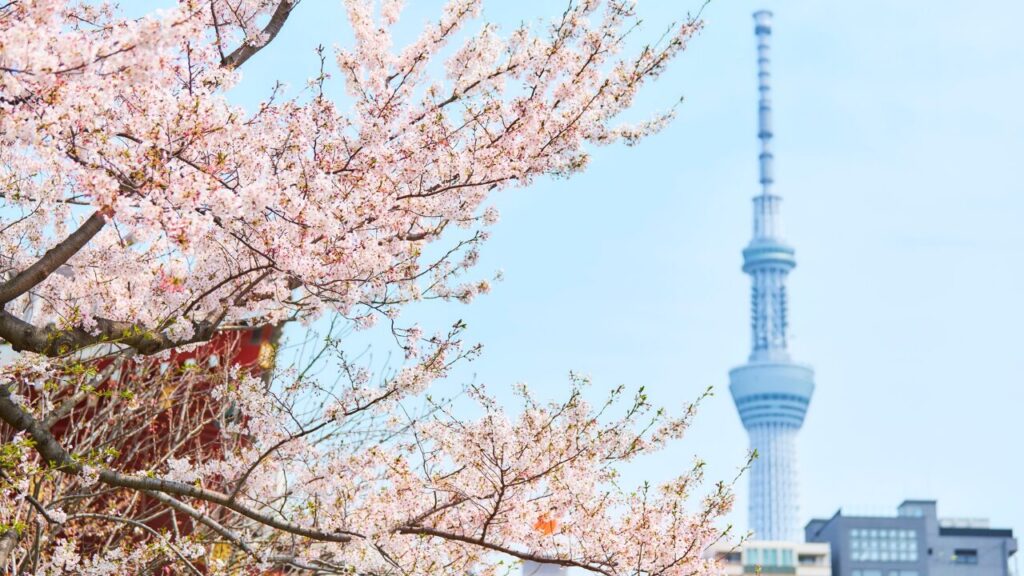
Tokyo offers one of the most accessible and diverse cherry blossom experiences in Japan. Famous spots like Ueno Park, Shinjuku Gyoen, and the Meguro River allow visitors to enjoy sakura while staying in the heart of a modern city. The contrast between skyscrapers and delicate cherry blossoms makes Tokyo especially appealing for first-time visitors.
- Ueno Park – One of Tokyo’s most famous cherry blossom spots, with hundreds of sakura trees creating a lively spring atmosphere.
- Shinjuku Gyoen – A spacious garden featuring multiple cherry blossom varieties, perfect for a relaxed spring stroll.
- Meguro RIver – A scenic riverside lined with cherry trees, especially beautiful when petals fall onto the water.
- Chidorigafuchi – A picturesque moat near the Imperial Palace, popular for cherry blossom viewing and boat rides.
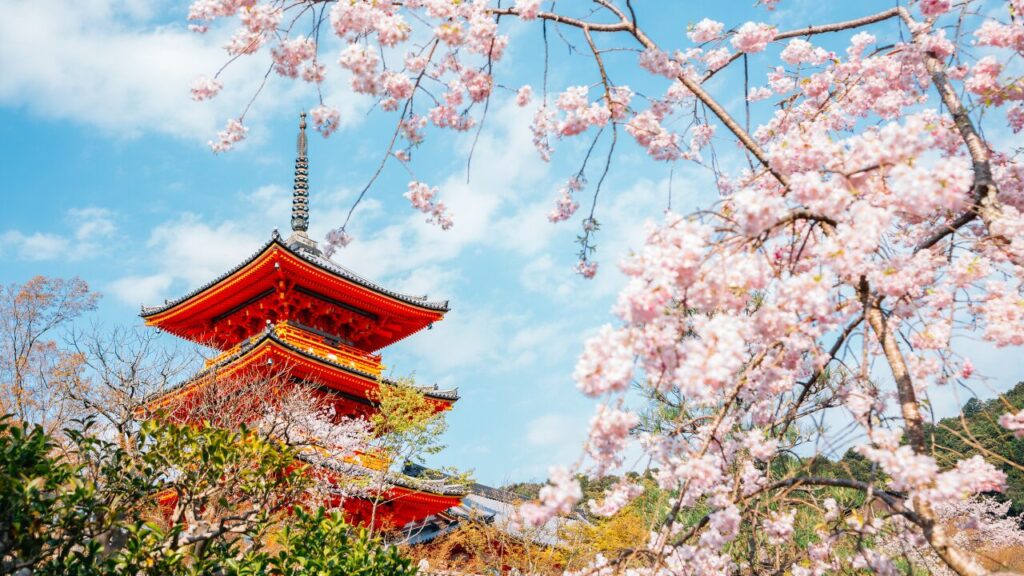
Kyoto represents the classic image of Japan in spring. Historic temples, shrines, and traditional streets are framed by cherry blossoms, creating postcard-like scenery. The Philosopher’s Path, Kiyomizu-dera, and Maruyama Park are particularly famous. Kyoto is ideal for travelers interested in culture, history, and traditional aesthetics.
- Kiyomizu-dera – A historic temple offering stunning views of cherry blossoms spreading across the hills of eastern Kyoto.
- Philosopher’s Path – A peaceful walking path lined with cherry trees, perfect for a calm spring stroll among falling petals.
- Maruyama Park – Kyoto’s most famous hanami spot, known for its large illuminated weeping cherry tree at night.
- Keage Incline – A former railway track turned into one of Kyoto’s most photogenic cherry blossom spots, where rows of sakura create a beautiful tunnel-like view in spring.
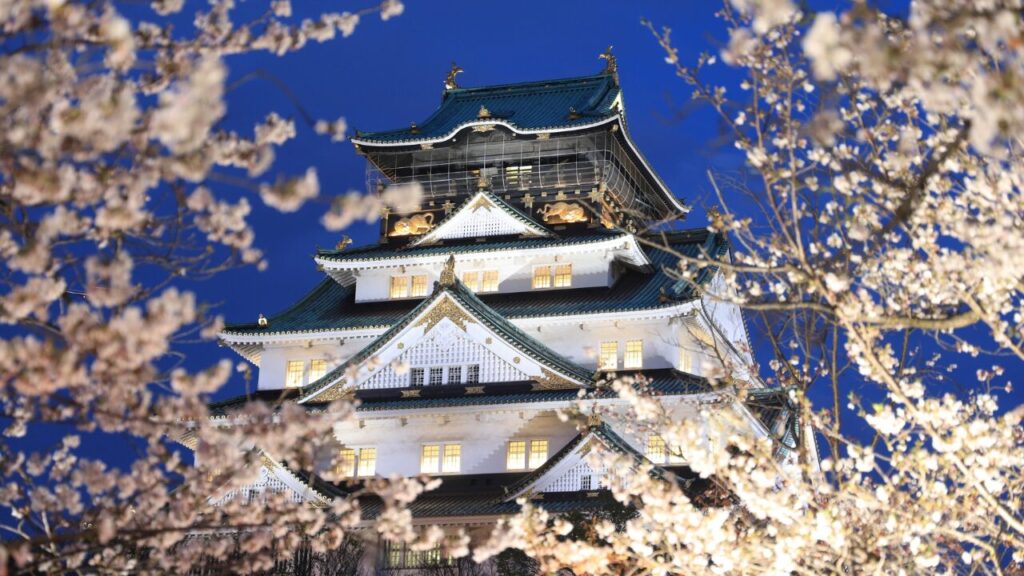
Osaka Castle Park is one of Japan’s most famous cherry blossom viewing spots, with thousands of trees surrounding the historic castle. Osaka also offers excellent food, a lively atmosphere, and easy access to nearby cities like Kyoto and Nara, making it a great base during spring.
- Osaka Castle Park – One of Osaka’s most famous cherry blossom spots, where thousands of sakura trees surround the historic Osaka Castle, creating a classic spring scene.
- Kema Sakuranomiya Park – A riverside park stretching along the Okawa River, lined with hundreds of cherry trees and popular for relaxed spring walks and picnics.
- Expo ’70 Commemorative Park – A spacious park with a wide variety of cherry blossom trees, offering open lawns, gardens, and fewer crowds compared to central Osaka.
- Shitennoji Temple – One of Japan’s oldest Buddhist temples, where cherry blossoms add seasonal beauty to the calm and traditional temple grounds.
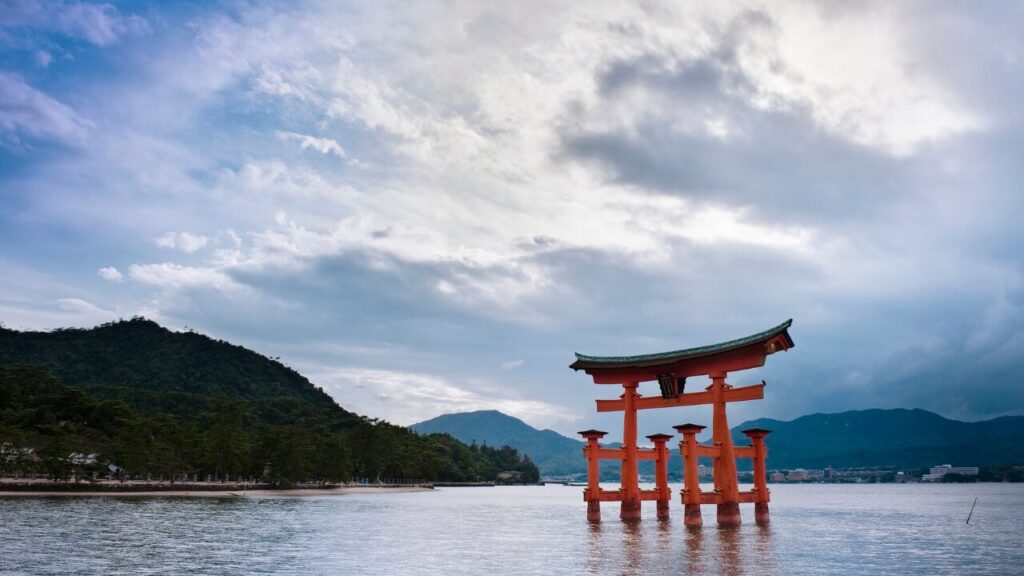
Miyajima combines cherry blossoms with the iconic floating torii gate of Itsukushima Shrine. The combination of sea, mountains, and sakura creates a uniquely Japanese landscape. It’s highly recommended for travelers seeking both history and natural beauty.
- Itsukushima Shrine – Famous for its iconic floating torii gate, which becomes even more picturesque in spring as cherry blossoms frame the shrine with the sea and mountains in the background.
- Momijidani Park – A peaceful valley park near the shrine, filled with cherry trees, walking paths, and a river, perfect for a quiet spring stroll away from crowds.
- Mount Misen – Offers hiking trails surrounded by spring greenery and blossoms, with panoramic views of the Seto Inland Sea from the summit.
- Daisho-in Temple – A historic temple on the slopes of Mount Misen, known for its spiritual atmosphere, blooming flowers, and beautifully maintained grounds in spring.
Hidden Gems (Less Crowded)
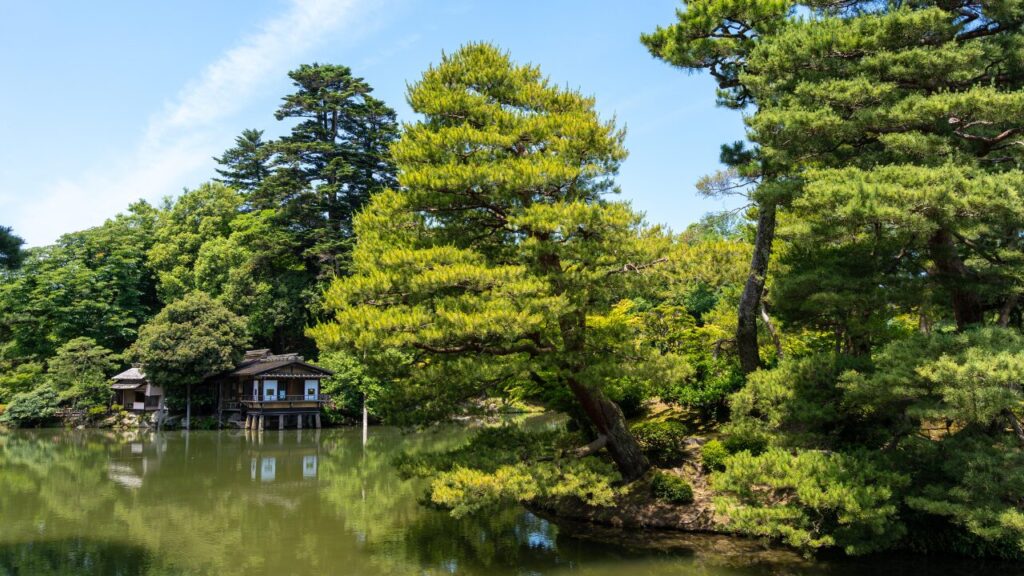
Kanazawa offers traditional gardens, samurai districts, and historic streets without the intense crowds of Kyoto. Kenrokuen Garden is one of Japan’s top landscape gardens, especially beautiful in spring.
- Kenrokuen Garden – One of Japan’s top three landscape gardens, famous for its cherry blossoms reflected in ponds, elegant bridges, and traditional tea houses in spring.
- Kanazawa Castle Park – A historic castle area surrounded by wide lawns and cherry trees, offering beautiful spring scenery with a mix of history and open space.
- Nagamachi Samurai District – Preserved samurai residences and narrow streets lined with earthen walls, made especially atmospheric by spring greenery and blossoms.
- Higashi Chaya District – A traditional geisha district with wooden teahouses, cafes, and sweet shops, where spring flowers add charm to the historic streetscape.
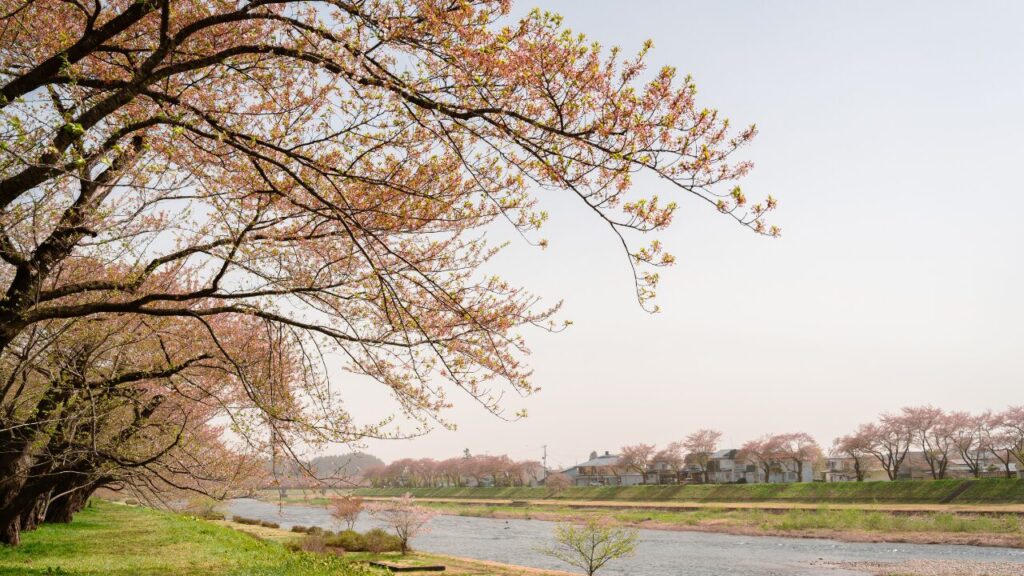
KAKUNODATE (AKITA) Known as the “Little Kyoto of Tohoku,” Kakunodate is famous for its weeping cherry trees lining preserved samurai houses. The town feels calm and authentic, perfect for travelers who want a quieter spring experience.
- Kakunodate Samurai District – Famous for its rows of weeping cherry trees lining preserved samurai residences, creating one of Japan’s most iconic spring landscapes.
- Hinokinai River Cherry Blossom Tunnel – A scenic riverside path where cherry trees form a long pink tunnel, perfect for spring walks and photography.
- Aoyagi Samurai House – One of the largest open samurai residences in Kakunodate, offering insight into Edo-period life surrounded by seasonal blossoms.
- Ishiguro Samurai House – A well-preserved samurai home showcasing traditional architecture, gardens, and a quiet spring atmosphere.
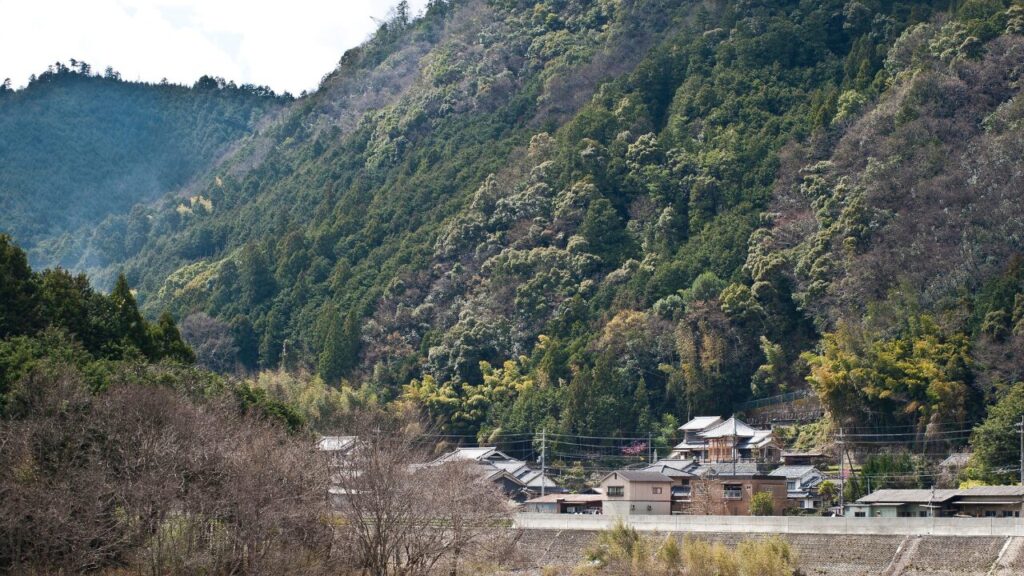
Mount Yoshino is covered with thousands of cherry blossom trees layered across the mountainside. It’s one of Japan’s most spectacular sakura destinations and ideal for nature lovers.
- Mount Yoshino (Yoshinoyama) – One of Japan’s most famous cherry blossom destinations, with over 30,000 sakura trees covering the mountainside in layered stages (lower, middle, upper, and inner areas), creating breathtaking spring scenery.
- Nakasenbon Area – The heart of Yoshino’s cherry blossom viewing, offering the best balance of accessibility, density of blossoms, traditional inns, and panoramic viewpoints.
- Yoshimizu Shrine – A historic shrine and UNESCO World Heritage site that provides stunning views over the cherry blossom-covered valley, once visited by emperors and poets.
- Oku-senbon (Deep Yoshino) – A quieter, more spiritual area with fewer crowds, featuring mountain trails, ancient temples, and late-blooming cherry trees for a peaceful spring experience.
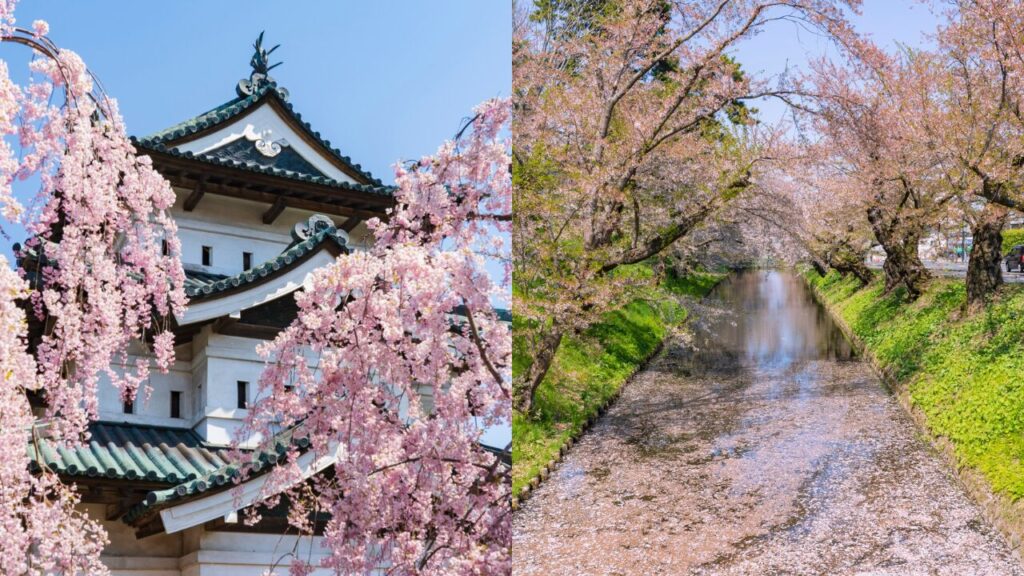
Hirosaki Castle, located in Hirosaki City, Aomori Prefecture, is widely regarded as one of Japan’s best cherry blossom destinations. Every spring, the Hirosaki Cherry Blossom Festival attracts visitors from around the world, with over 2,600 cherry trees representing more than 50 varieties in full bloom. The combination of the historic castle, surrounding moats, and cherry blossoms creates one of the most iconic spring landscapes in Japan.
One of the most famous sights here is the “hanaikada” (cherry blossom raft), where fallen petals completely cover the surface of the moat. This breathtaking scene appears only for a short period after peak bloom, making it a rare and unforgettable experience for photographers and nature lovers alike.
Summer (June – August)
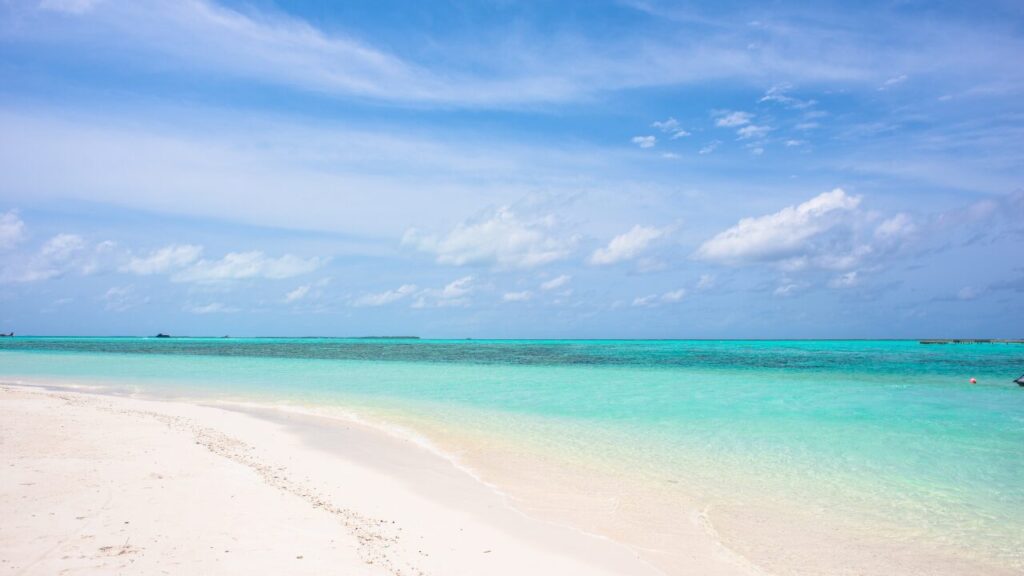
Summer in Japan is lively and full of energy. While major cities can be hot and humid, summer is also the season of festivals, fireworks, beaches, and mountain escapes. Traditional matsuri, colorful Yukata, and street food stalls create a unique and vibrant atmosphere.
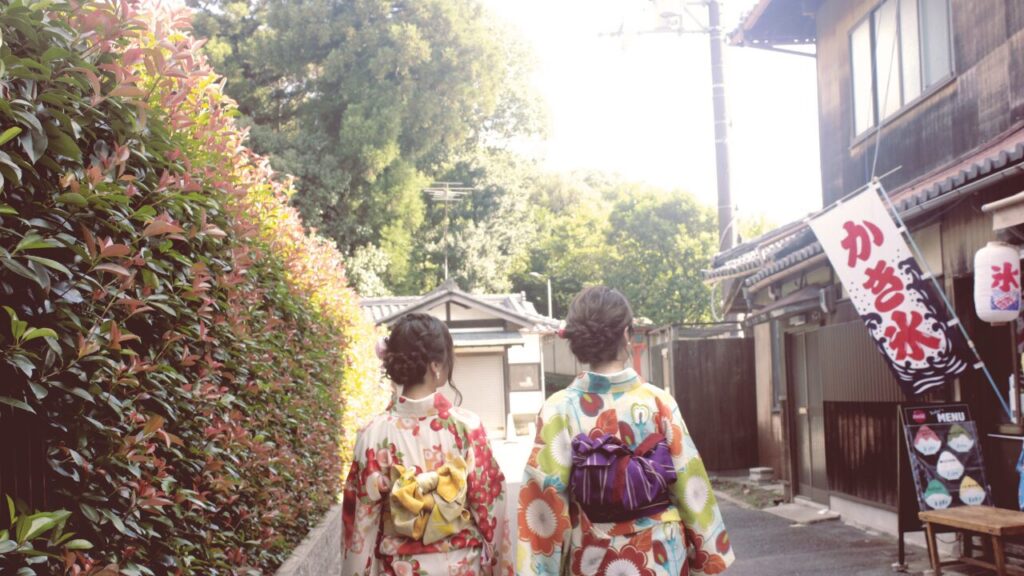
This is the best time to explore northern Japan, coastal regions, and mountainous areas where temperatures are cooler. Summer is also ideal for outdoor activities such as hiking, snorkeling, diving, and island hopping. Long daylight hours allow travelers to enjoy full days of exploration.
Summer is best for travelers who enjoy nature, festivals, and dynamic local culture.
Classic Destinations (Must-Visit)
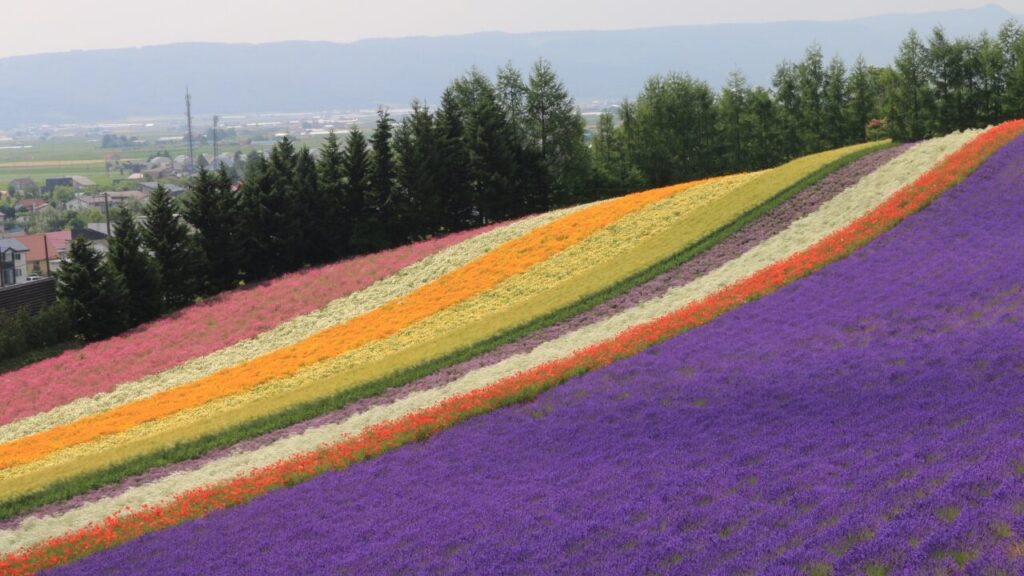
Hokkaido is Japan’s best summer destination due to its cooler climate. Visitors enjoy flower fields in Furano, national parks, hiking, and wide-open nature. It’s perfect for escaping the heat of major cities.
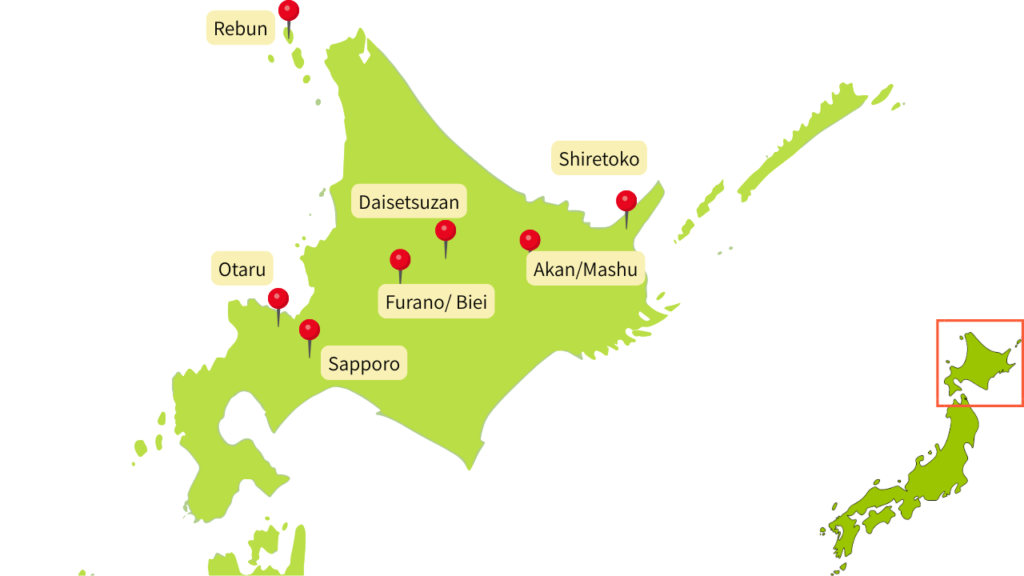
FAMOUS TOURIST SPOTS
• Furano – Famous for lavender fields and colorful flower farms, especially Farm Tomita (best in mid–late July).
• Biei – Known for rolling hills, Patchwork Road, and Blue Pond with its surreal blue color.
• Sapporo – A convenient base city with food markets, beer culture, and easy access to nature.
• Otaru – Popular for its historic canal, glassware shops, and seafood near the coast.
HIDDEN GEMS / OFF-THE-BEATEN-PATH
• Shiretoko Peninsula – A UNESCO World Heritage site with untouched wilderness, waterfalls, and wildlife.
• Daisetsuzan National Park – Japan’s largest national park, ideal for hiking and alpine scenery in summer.
• Akan–Mashu National Park – Known for crystal-clear lakes, volcanic landscapes, and Ainu culture.
• Rebun Island – A remote island famous for alpine flowers blooming at sea level and dramatic coastal views.
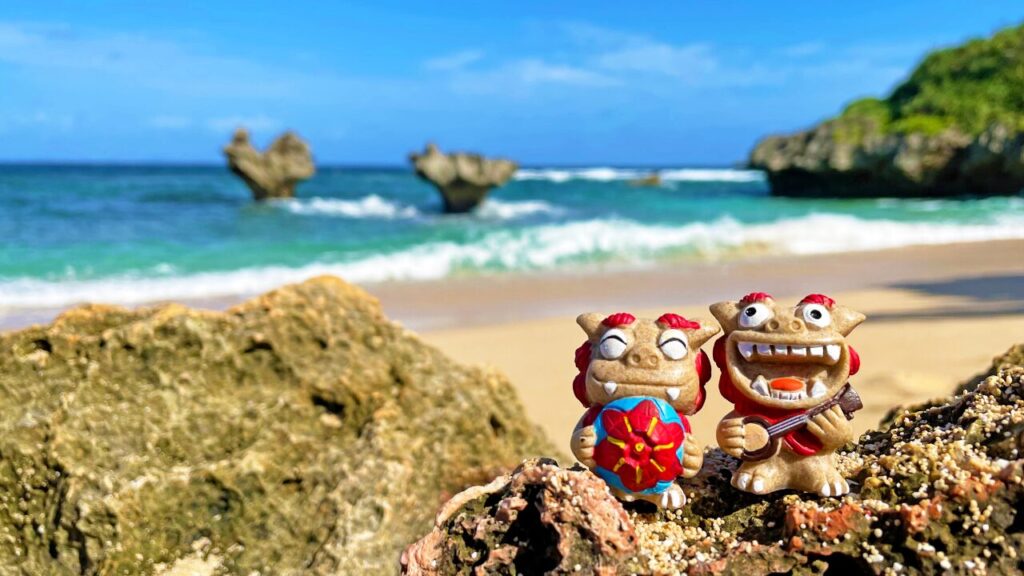
Okinawa offers a tropical side of Japan with crystal-clear waters, coral reefs, and white sand beaches. Snorkeling, diving, and island hopping are major highlights, along with unique local culture and cuisine.
- Shurijo Castle – A UNESCO World Heritage site and symbol of the Ryukyu Kingdom, showcasing unique Okinawan architecture and history. The hilltop location also offers panoramic views of Naha City.
- Cape Manzamo – A dramatic coastal cliff famous for its elephant-shaped rock formation and sweeping views of the East China Sea, especially beautiful at sunset.
- Churaumi Aquarium – One of the world’s largest aquariums, known for its massive whale sharks and manta rays, making it a must-visit spot for families and first-time visitors.
- Emerald Beach – A well-maintained white sand beach near Churaumi Aquarium, ideal for swimming, relaxing, and enjoying clear summer waters within the main island.
RECOMMENDED ISLANDS (BEYOND THE MAIN ISLAND)
• Ishigaki Island – A tropical hub with stunning beaches, coral reefs, and access to nearby remote islands.
• Miyako Island – Famous for crystal-clear turquoise waters, white sand beaches, and long scenic bridges.
• Iriomote Island – Covered mostly by jungle, offering mangrove kayaking, waterfalls, and rare wildlife.
• Zamami Island – Known for pristine beaches, excellent snorkeling, and whale watching in winter.
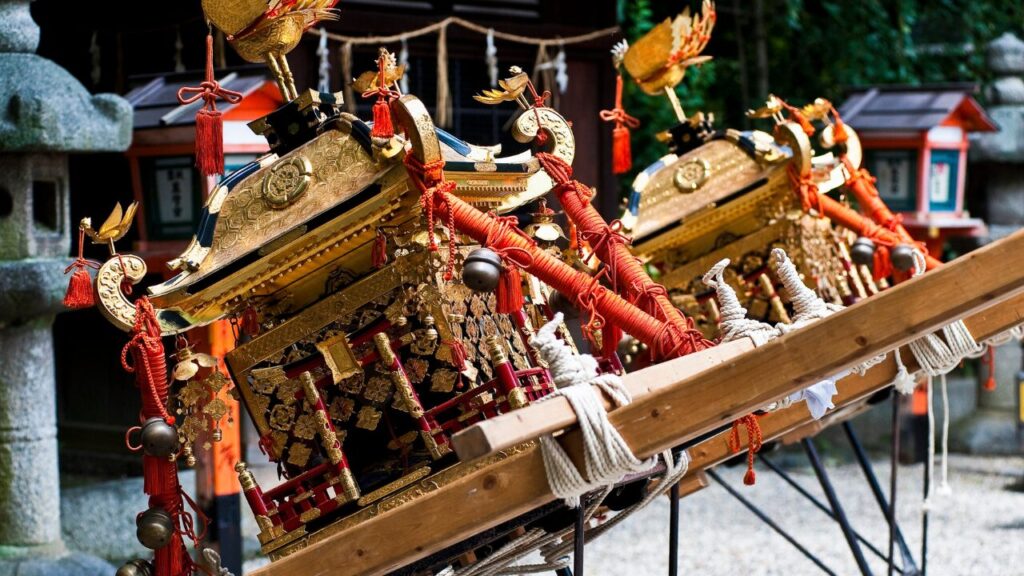
KYOTO (FESTIVAL SEASON)
Despite the heat, Kyoto hosts the famous Gion Matsuri in July, one of Japan’s largest and most traditional festivals. It’s recommended for travelers interested in Japanese culture and seasonal events.
- Gion Matsuri – One of Japan’s most famous traditional festivals, held throughout July. Massive floats parade through the city, and the streets come alive with food stalls, yukata, and local culture, making it Kyoto’s ultimate summer highlight.
- Kiyomizu-dera (Summer Evenings) – While famous in spring and autumn, summer offers a quieter atmosphere. Evening illuminations and lush green surroundings create a calm, refreshing contrast to the daytime heat.
- Arashiyama Bamboo Grove – The shaded bamboo forest feels cooler even in summer. Early mornings are best for avoiding crowds and enjoying the serene sound of bamboo swaying in the wind.
- Kibune & Kawadoko Dining – A mountain area north of Kyoto where restaurants set up platforms over the river. Dining above flowing water
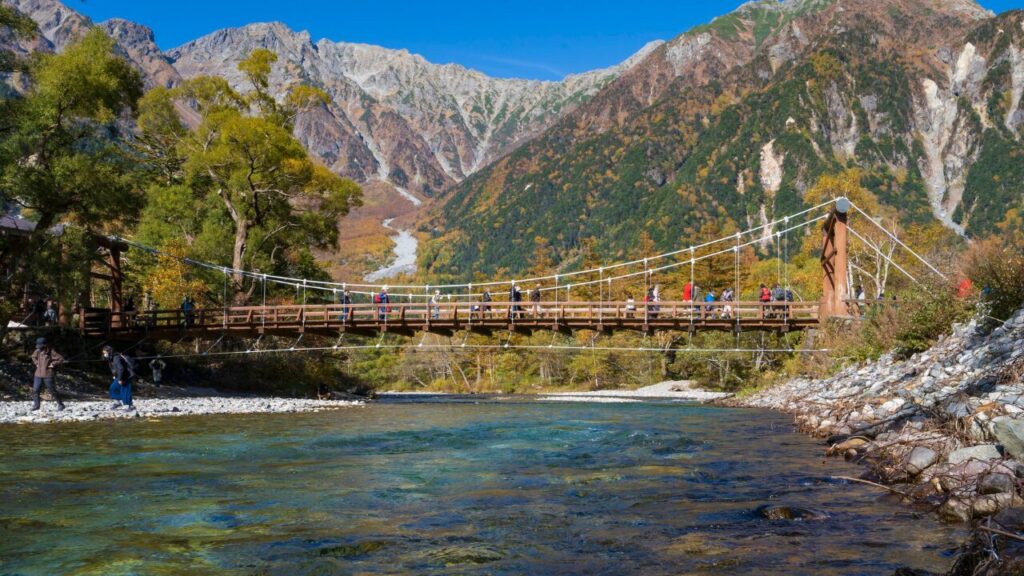
KAMIKOCHI (NAGANO)
Kamikochi is a breathtaking alpine valley with clear rivers, wooden trails, and mountain views. It’s ideal for hiking and escaping summer heat.
- Spectacular Alpine Scenery – Surrounded by the Northern Japan Alps, Kamikochi offers breathtaking mountain views, clear rivers, and untouched nature.
- Crystal-Clear Azusa River – The iconic turquoise river is one of the most photographed spots in the area, especially near Kappa Bridge.
- Easy Hiking Trails – Well-maintained, mostly flat walking paths make Kamikochi accessible even for beginners.
- Kappa Bridge – A symbolic landmark with panoramic views of Mt. Hotaka and Mt. Yake.
- Seasonal Beauty – Fresh greenery in early summer and vibrant autumn colors make it a top seasonal destination.
- Car-Free Environment – Private vehicles are not allowed, helping preserve the area’s clean air and peaceful atmosphere.
- Perfect Day Trip or Overnight Stay – Ideal for both short visits and multi-day hiking plans.
Hiking at Kamikochi in summer is super beautiful. It is getting famous for foreigner.
Hidden Gems (Less Crowded)
While Japan’s summer is known for vibrant festivals and famous destinations, the true magic lies in its hidden gems. These lesser-known places offer cooler climates, untouched nature, and a more peaceful travel experience away from crowds. From alpine valleys and remote islands to pristine national parks, Japan’s summer hidden gems are perfect for travelers seeking authentic landscapes, outdoor adventure, and local culture beyond the typical tourist route.
TOTTORI
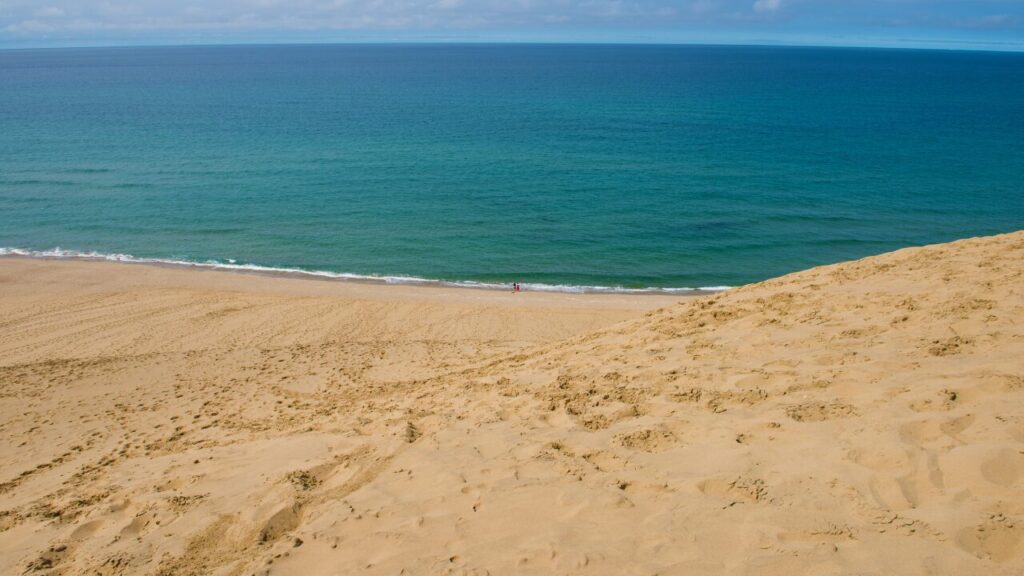
Tottori is known for its massive sand dunes, offering a landscape unlike anywhere else in Japan. It’s quiet, unique, and rarely crowded.
- Tottori Sand Dunes – Japan’s largest sand dunes, offering a rare desert-like landscape, sandboarding, and stunning views of the Sea of Japan.
- Mount Daisen – The highest mountain in the Chugoku region, popular for hiking, autumn foliage, and panoramic views.
SHIMODA (SHIZUOKA)
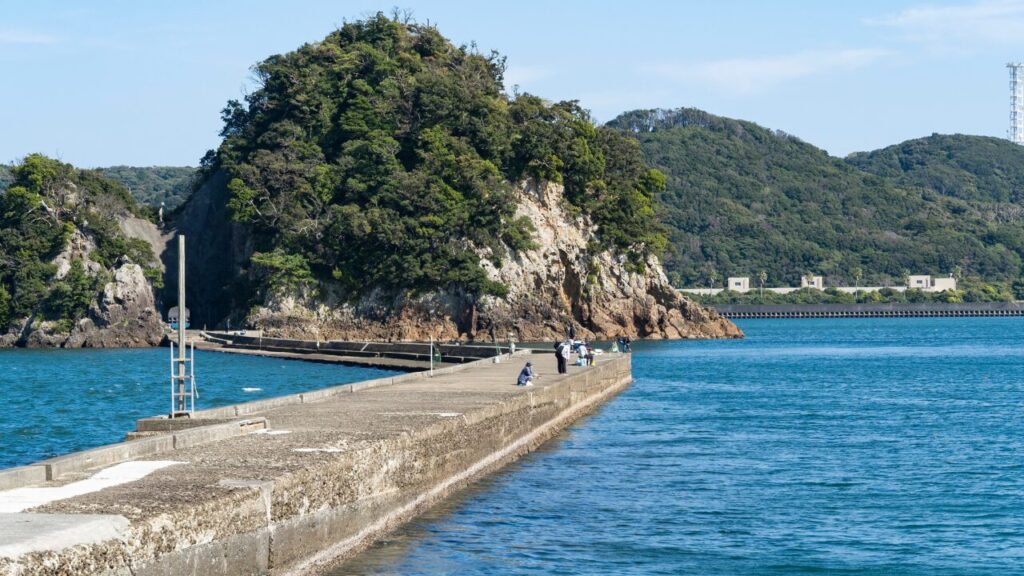
Shimoda is a coastal town with beautiful beaches, historical significance, and a relaxed vibe. It’s ideal for travelers who want a calm seaside experience.
- Shirahama Beach – One of the most famous beaches in the Izu Peninsula, known for its white sand, clear water, and surfing spots.
- Kisami Ohama Beach – A relaxed, local-favorite beach with calm waves, perfect for swimming and a laid-back summer atmosphere.
- Perry Road – A historic street lined with canals, cafes, and traditional buildings, linked to Commodore Perry and the opening of Japan.
- Shimoda Ropeway & Nesugata-yama Observatory – Offers panoramic views of Shimoda Bay, surrounding islands, and Mount Fuji on clear days.
AOMORI
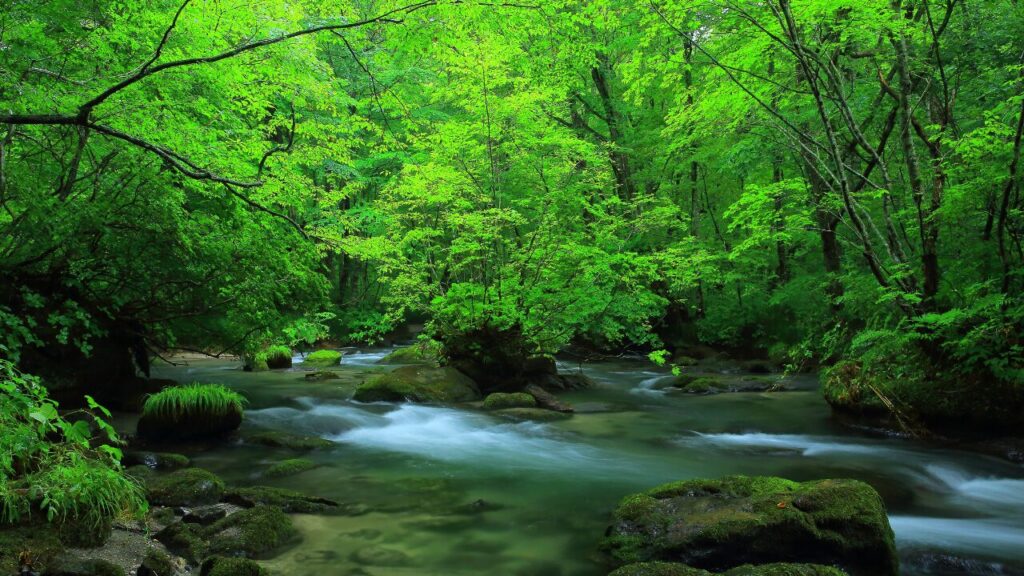
Aomori is famous for the Nebuta Matsuri, one of Japan’s most energetic summer festivals. The region also offers rich nature and cooler weather.
- Oirase Gorge – A lush river valley with waterfalls, clear streams, and shaded walking paths, perfect for escaping the summer heat.
- Lake Towada – A refreshing crater lake offering boat cruises, lakeside hiking, and cool mountain air in summer.
- Shirakami-Sanchi – A UNESCO World Heritage site featuring untouched beech forests, hiking trails, and pristine nature.
- Nebuta Museum WA RASSE – Experience Aomori’s famous Nebuta Festival year-round through massive illuminated floats and cultural exhibits.

Nebuta Festival
The Aomori Nebuta Festival is one of Japan’s most famous summer festivals, held in Aomori City from August 2 to 7. It features massive illuminated floats depicting warriors and mythological figures, accompanied by energetic music and dancing.
The highlight is the nighttime parade, where glowing floats fill the streets with color and sound. Visitors can also join the festival as haneto dancers by wearing traditional costumes. The festival ends with a daytime parade and fireworks on August 7.
Nebuta Festival is a must-see summer event, offering a powerful and unforgettable cultural experience in northern Japan.
🍁 Autumn (September – November)
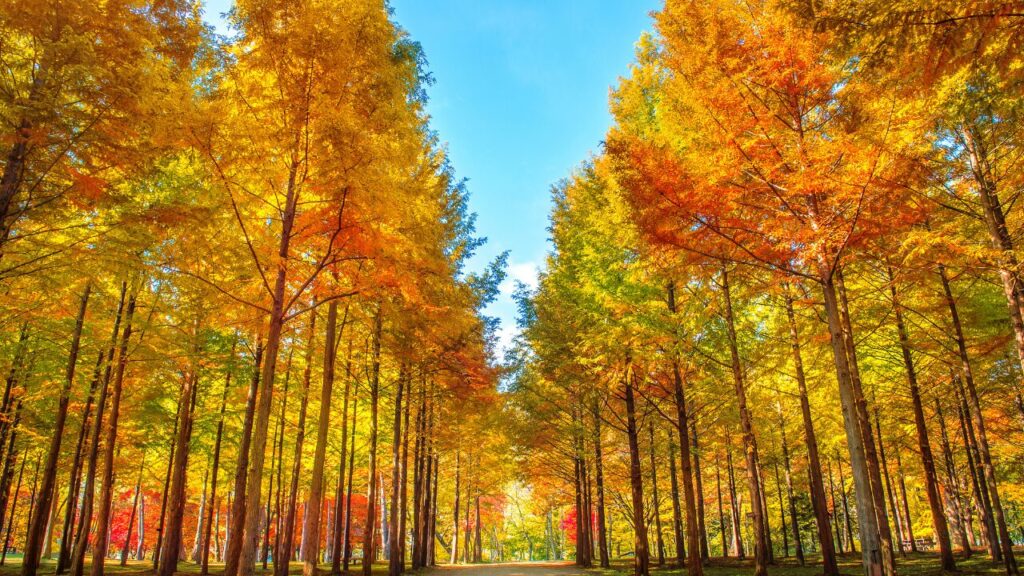
Autumn is often considered the best season to visit Japan. As summer heat fades, the landscape transforms into stunning shades of red, orange, and gold. Autumn leaves appear gradually depending on region and elevation, offering beautiful scenery for an extended period.
The weather is mild, dry, and comfortable, making autumn perfect for sightseeing, hiking, and city walks. Compared to spring, crowds are generally smaller while scenery is just as impressive. Seasonal food and harvest festivals add to the appeal.
Autumn is ideal for travelers seeking beautiful scenery, comfortable weather, and a relaxed travel pace.
Classic Destinations (Must-Visit)
KYOTO
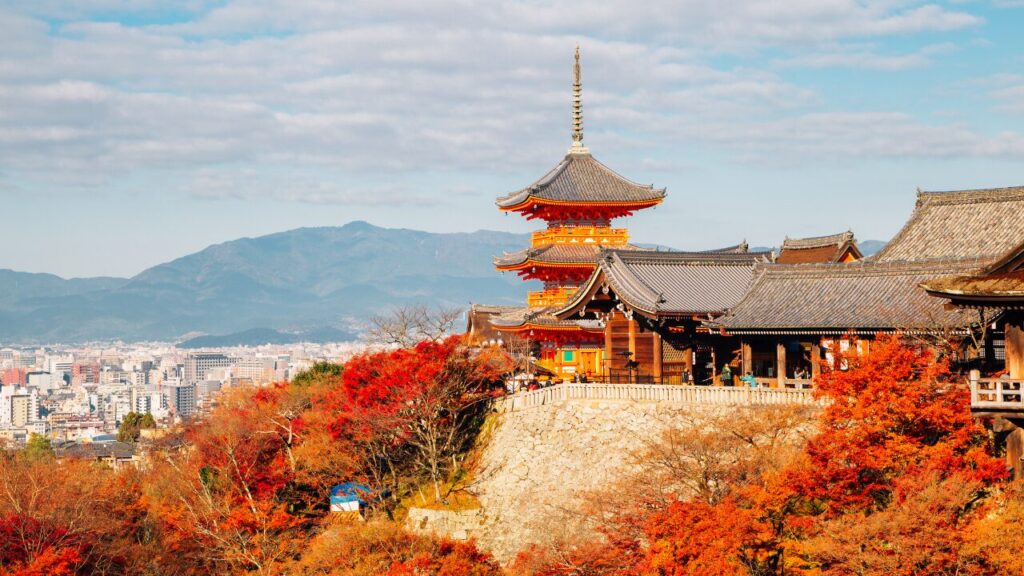
Autumn transforms Kyoto into a sea of red, orange, and gold leaves. Arashiyama, Tofuku-ji, and Eikando are especially famous for fall colors.
- Arashiyama – Famous for autumn foliage along the Katsura River, scenic train rides, and mountain views.
- Kiyomizu-dera – A historic temple offering panoramic views of vibrant red and orange maple leaves.
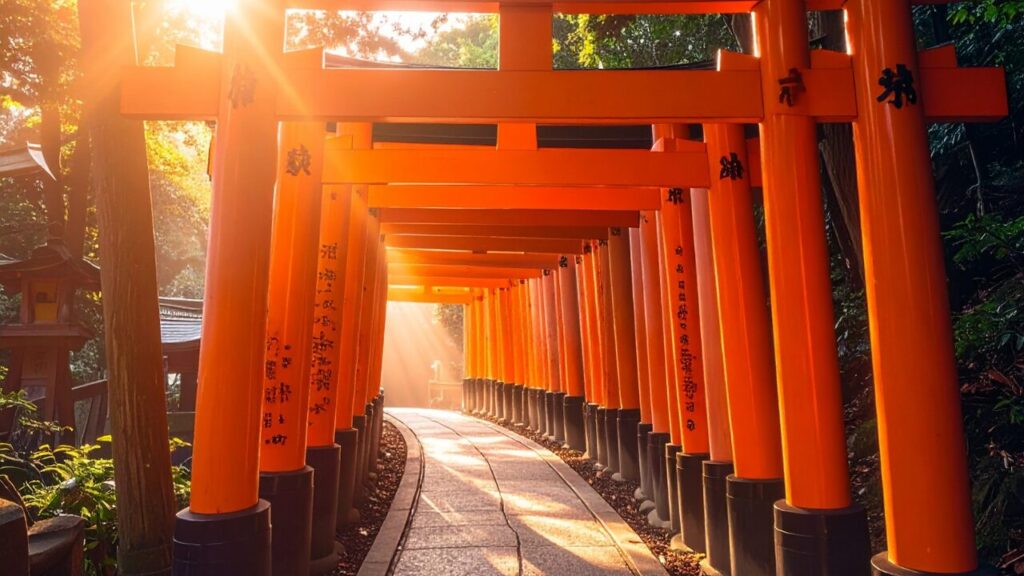
- Fushimi Inari Taisha – Known for its thousands of torii gates, surrounded by forest trails colored in autumn.
- Tofuku-ji – One of Kyoto’s best spots for fall colors, especially the Tsutenkyo Bridge covered in maple leaves.
- Rurikō-in Temple – Famous for its mirror-like reflections of autumn leaves on polished wooden floors.
NIKKO
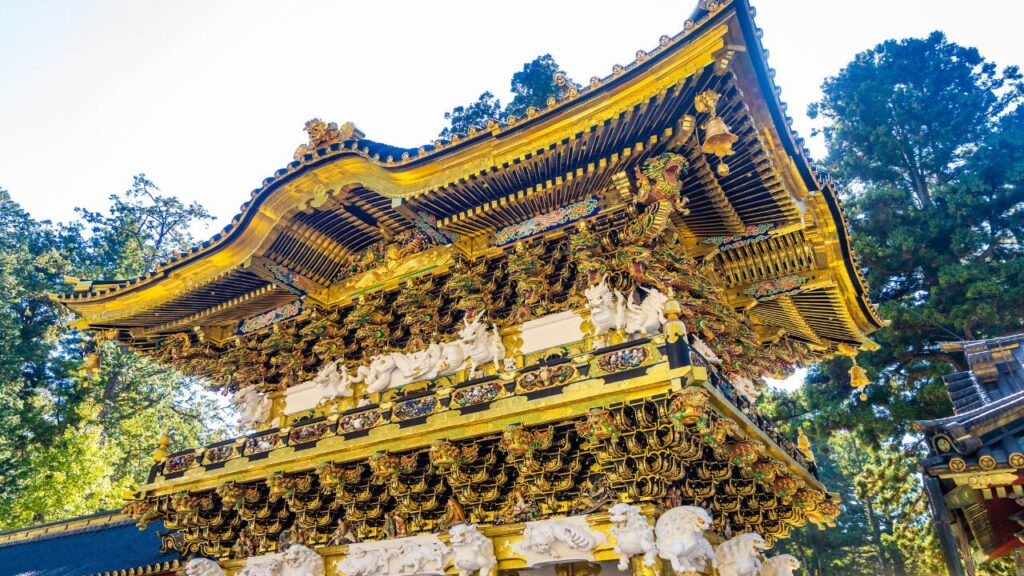
Nikko combines UNESCO World Heritage shrines with mountain scenery. Autumn leaves around Lake Chuzenji and Irohazaka Road are particularly beautiful.
- Nikko Toshogu Shrine – A lavishly decorated UNESCO World Heritage site, famous for its detailed carvings and autumn scenery.
- Lake Chuzenji – A scenic mountain lake at the foot of Mount Nantai, known for cool weather and beautiful fall colors.
- Kegon Falls – One of Japan’s most famous waterfalls, especially stunning during the autumn foliage season.
TOKYO
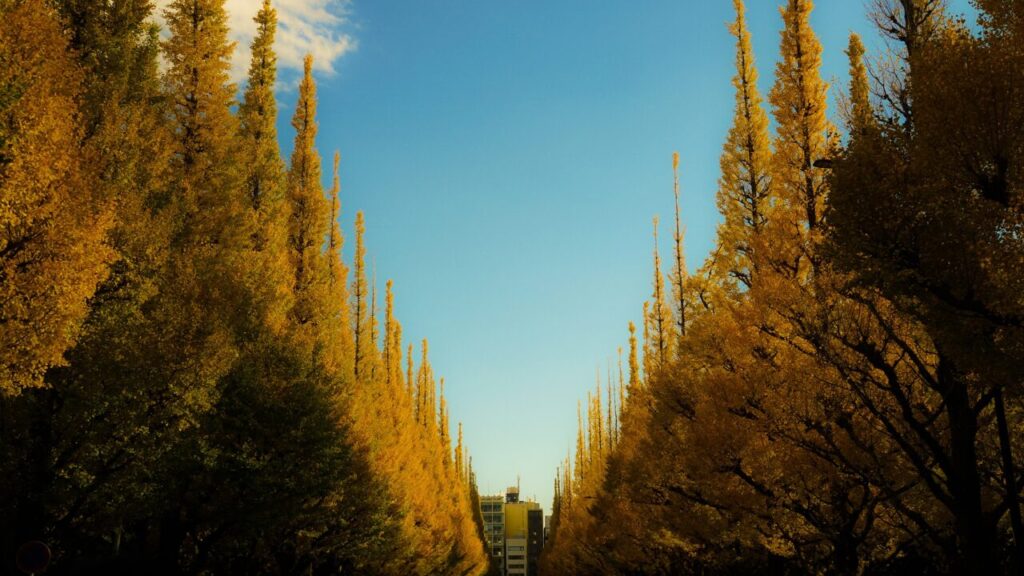
Tokyo’s parks such as Rikugien and Meiji Jingu Gaien provide excellent autumn scenery without leaving the city.
- Meiji Jingu Gaien – Famous for its golden ginkgo tree avenue, one of Tokyo’s most iconic autumn scenes.
- Shinjuku Gyoen – A spacious garden featuring a mix of Japanese and Western landscapes with vibrant fall colors.
- Rikugien Garden – A traditional Japanese garden known for its beautifully maintained maple trees and autumn illuminations.
- Mount Takao – A popular hiking spot just outside central Tokyo, offering stunning foliage and panoramic views.
TAKAYAMA
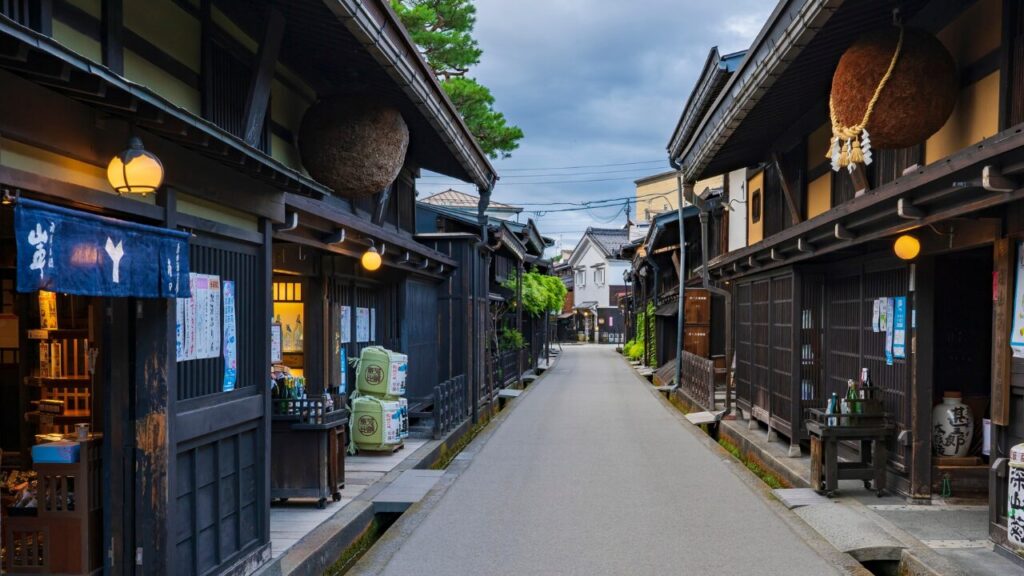
Takayama’s traditional streets and surrounding mountains are stunning in autumn. The town also hosts seasonal festivals.
- Takayama Old Town (Sanmachi Suji) – A well-preserved historic district with traditional wooden houses and local sake breweries.
- Takayama Jinya – The only remaining Edo-period government office in Japan, offering insight into samurai-era administration.
- Hida Folk Village (Hida no Sato) – An open-air museum featuring traditional thatched-roof farmhouses from the Hida region.
- Higashiyama Walking Course – A quiet temple trail with scenic paths, especially beautiful during autumn.
Hidden Gems (Less Crowded)
KARUIZAWA
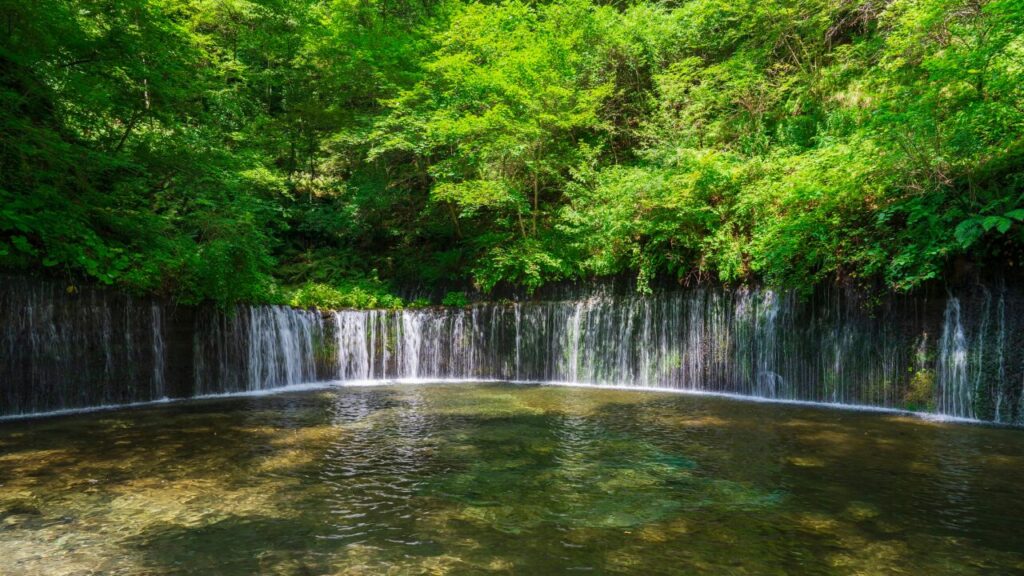
A stylish mountain resort town near Tokyo, known for cool weather, forests, and cafes. Perfect for a relaxed autumn escape.
- Kumoba Pond – A famous reflection pond surrounded by trees, especially beautiful during autumn foliage.
- Karuizawa Ginza Street – A lively shopping street with cafes, local food, and souvenir shops.
- Shiraito Falls – A delicate waterfall with cool mist and lush greenery, refreshing even in warmer months.
DAISETSUZAN NATIONAL PARK (HOKKAIDO)
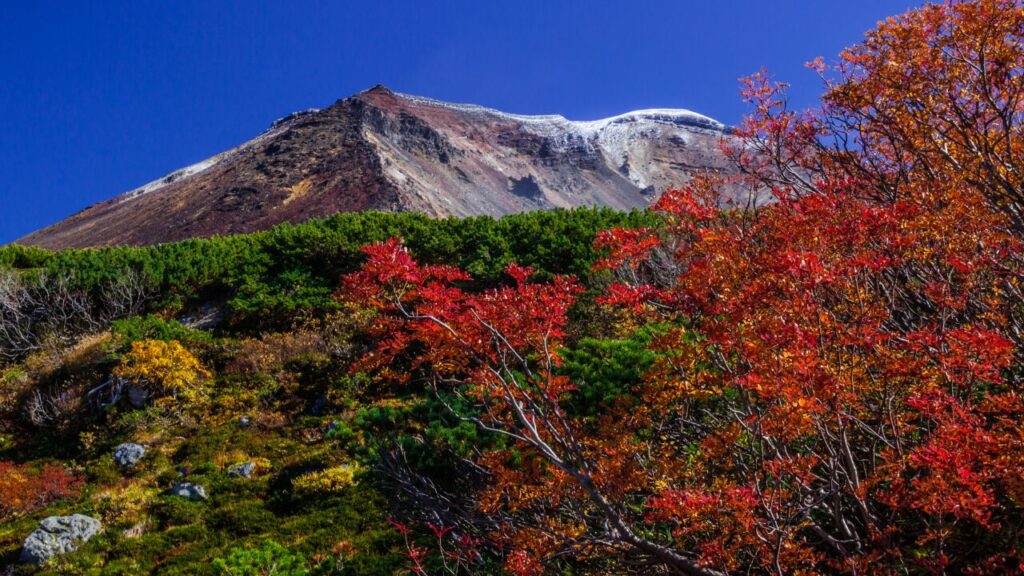
Japan’s earliest autumn leaves appear here, with dramatic volcanic landscapes and hiking trails.
- Asahidake Ropeway – Offers access to some of Japan’s earliest autumn foliage and alpine views.
- Sounkyo Gorge – Known for dramatic cliffs and colorful autumn leaves in a deep mountain valley.
- Mount Kurodake – A popular hiking spot with ropeway access and panoramic fall scenery.
- Daisetsuzan National Park – Japan’s largest national park, famous for vast wilderness and early-season autumn colors.
LAKE TOWADA
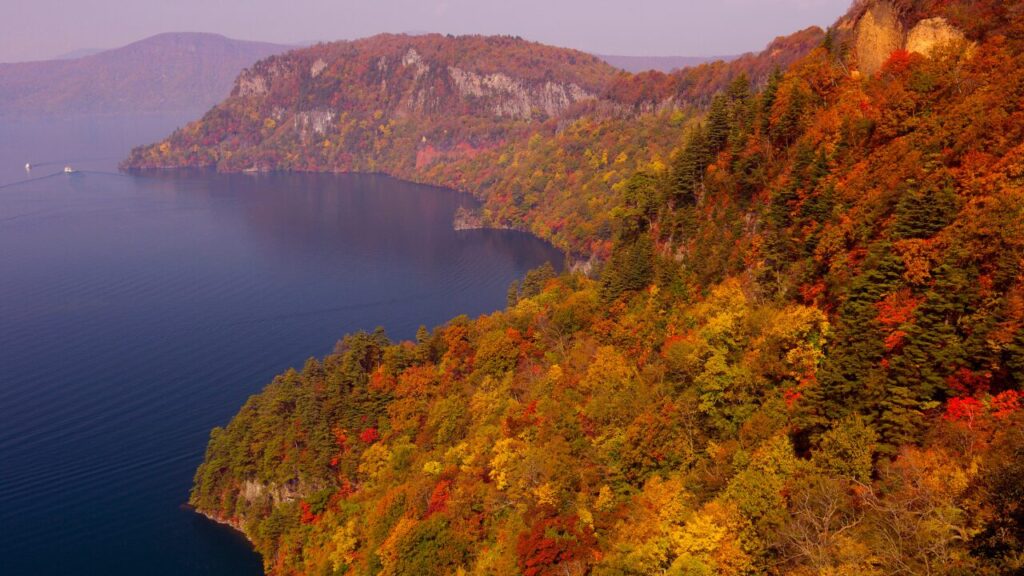
A beautiful crater lake surrounded by vibrant autumn foliage, offering peaceful scenery and fewer tourists.
- Lake Towada – A scenic crater lake famous for its deep blue water, boat cruises, and surrounding autumn foliage.
- Towada Shrine – A quiet lakeside shrine surrounded by forest, offering a peaceful and spiritual atmosphere.
- Oirase Gorge – A beautiful river valley flowing from Lake Towada, known for waterfalls and colorful autumn leaves.
- Nenokuchi Area – The starting point of Oirase Gorge, popular for lakeside views and fall scenery.
ONOMICHI
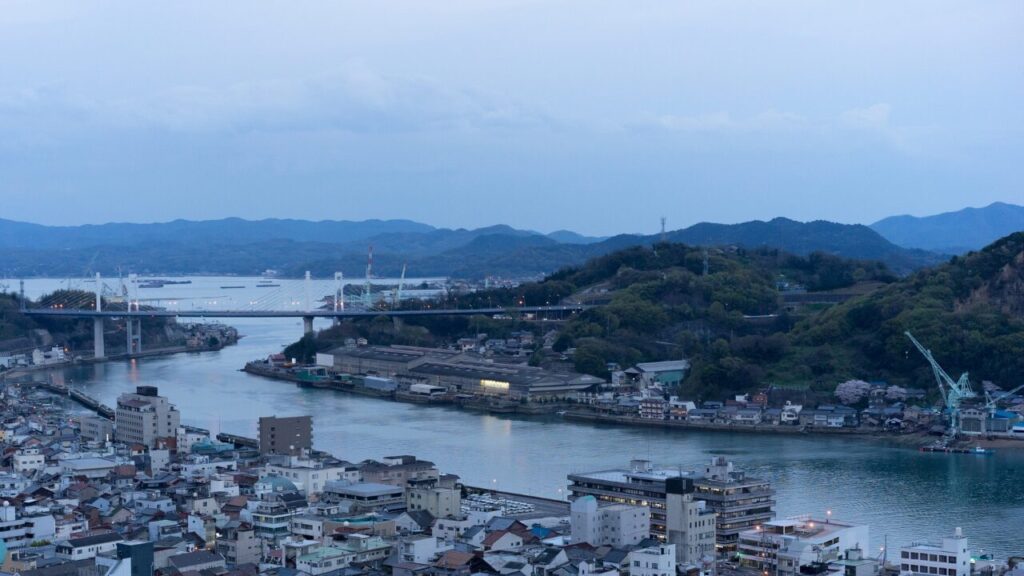
A quiet seaside town with temples, hills, and scenic views, ideal for slow travel in autumn.
- Senkoji Temple – A hilltop temple offering panoramic views of Onomichi City and the Seto Inland Sea.
- Senkoji Park Observatory – A popular viewpoint accessible by ropeway, famous for sunset and cityscape views.
- Shimanami Kaido – A scenic cycling route connecting islands, known for ocean views and relaxed island culture.
Winter (December – February)
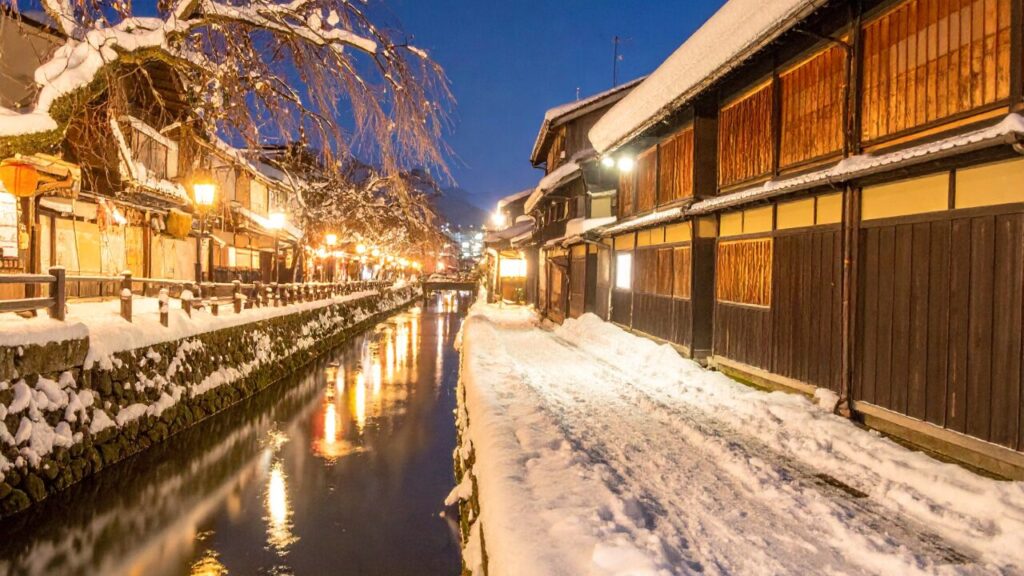
Winter reveals a calm and peaceful side of Japan. Snow covers northern and mountainous regions, creating breathtaking landscapes and excellent conditions for skiing and snowboarding. Cities are less crowded, allowing for slower and more relaxed travel.
Winter is also the best season for hot springs (onsen), where travelers can enjoy warm baths surrounded by snowy scenery. Snow festivals, winter illuminations, and clear skies add to the charm of the season.
Winter is perfect for travelers who enjoy snow, hot springs, and a quiet, authentic atmosphere.
Classic Destinations (Must-Visit)
HOKKAIDO
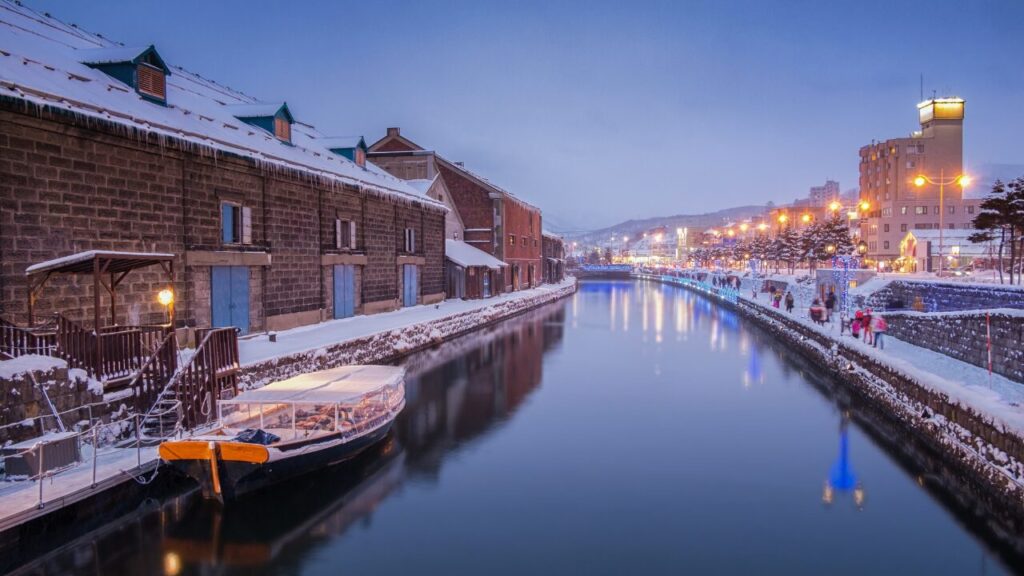
Famous for world-class skiing, snowboarding, and the Sapporo Snow Festival. Powder snow attracts winter sports lovers from around the world.
- Sapporo Snow Festival – A world-famous winter event featuring massive snow and ice sculptures across the city.
- Otaru Snow Light Path Festival – A romantic winter festival with lantern-lit canals and snowy streets.
- Shiretoko Peninsula – A UNESCO World Heritage site offering drift ice views, winter wildlife, and untouched nature.
- Abashiri Drift Ice – A rare natural phenomenon where sea ice from the Sea of Okhotsk drifts to the coast, best viewed by icebreaker cruise.
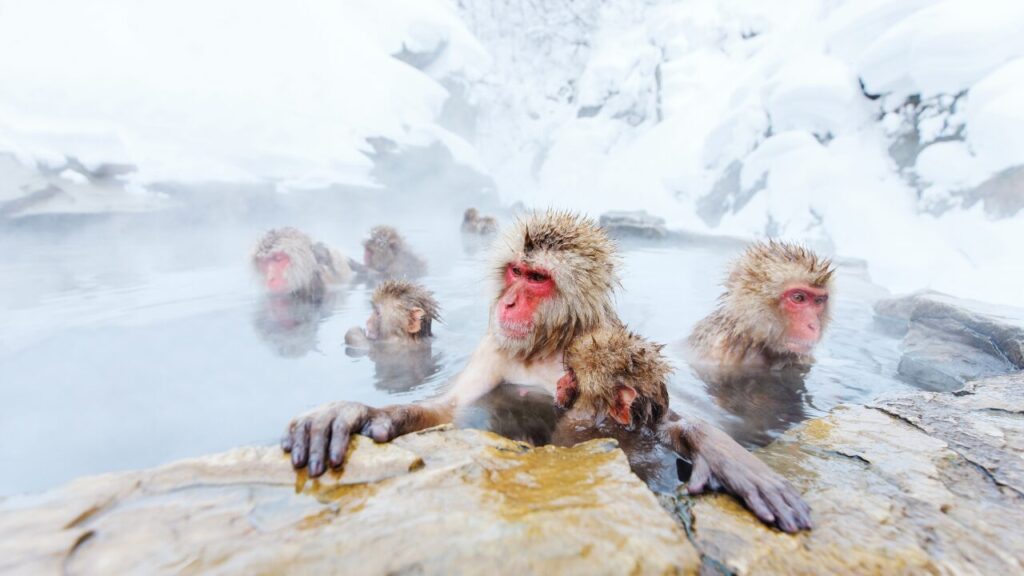
NAGANO
Known for ski resorts and snow monkeys bathing in hot springs, Nagano offers a perfect mix of nature and culture.
- Jigokudani Snow Monkey Park – Famous for wild monkeys bathing in hot springs surrounded by snow.
- Zenko-ji Temple – A historic temple offering a serene atmosphere with snow-covered grounds in winter.
- Karuizawa – A stylish resort town featuring winter illumination, cafes, and nearby ski areas.
SHIRAKAWA-GO
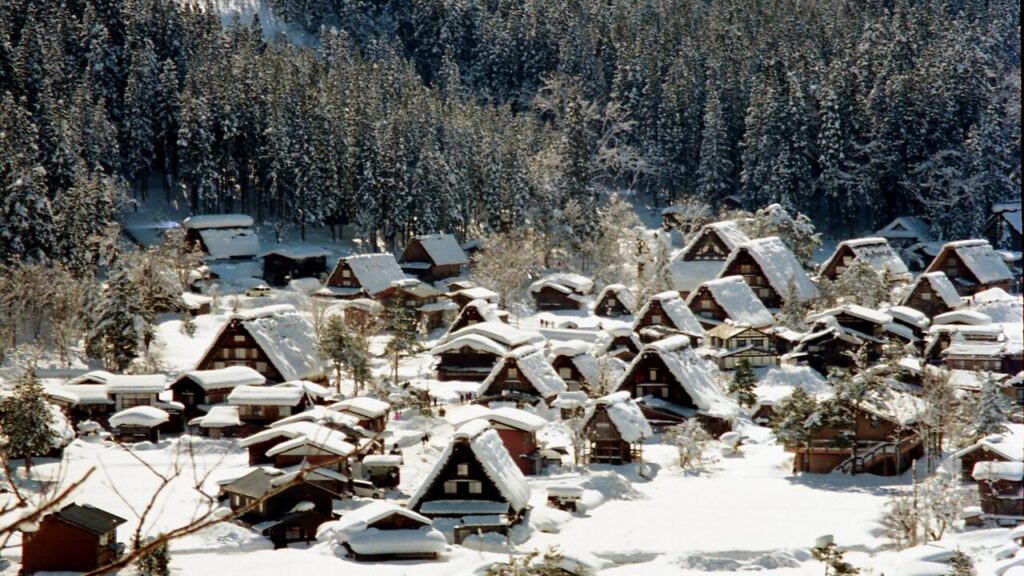
This UNESCO-listed village is famous for its snow-covered traditional houses, creating a magical winter landscape.
- Ogimachi Village – The main area of Shirakawa-go, famous for its traditional gassho-zukuri farmhouses.
- Shiroyama Viewpoint – The most iconic viewpoint offering panoramic views of the village, especially beautiful in winter.
- Wada House – One of the largest and best-preserved gassho-zukuri houses, open to the public.
- Myozen-ji Temple – A rare temple with a gassho-zukuri roof, blending religious architecture with local tradition.
HAKONE
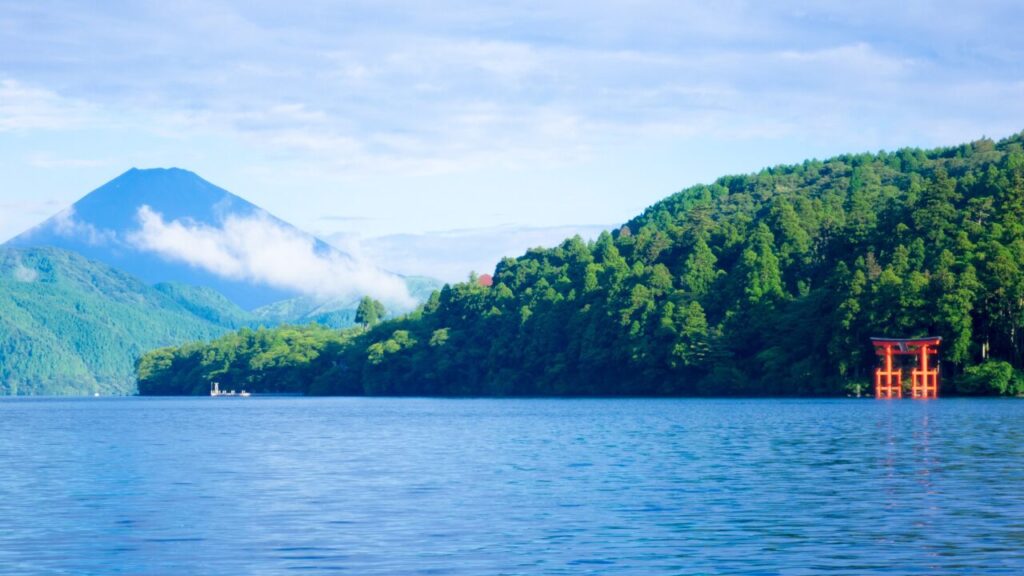
Hakone offers hot springs, museums, and views of Mount Fuji, making it a popular winter escape from Tokyo.
- Lake Ashi – A scenic lake famous for torii gate views, sightseeing cruises, and Mount Fuji scenery on clear days.
- Hakone Open-Air Museum – An outdoor art museum combining modern sculptures with mountain landscapes.
- Owakudani – A volcanic valley known for steaming vents and black eggs said to extend life.
- Hakone Shrine – A historic shrine set along the forested shores of Lake Ashi, known for its iconic torii gate.
Ski destination
Classic Destinations (Must-Visit)
Niseko (Hokkaido)
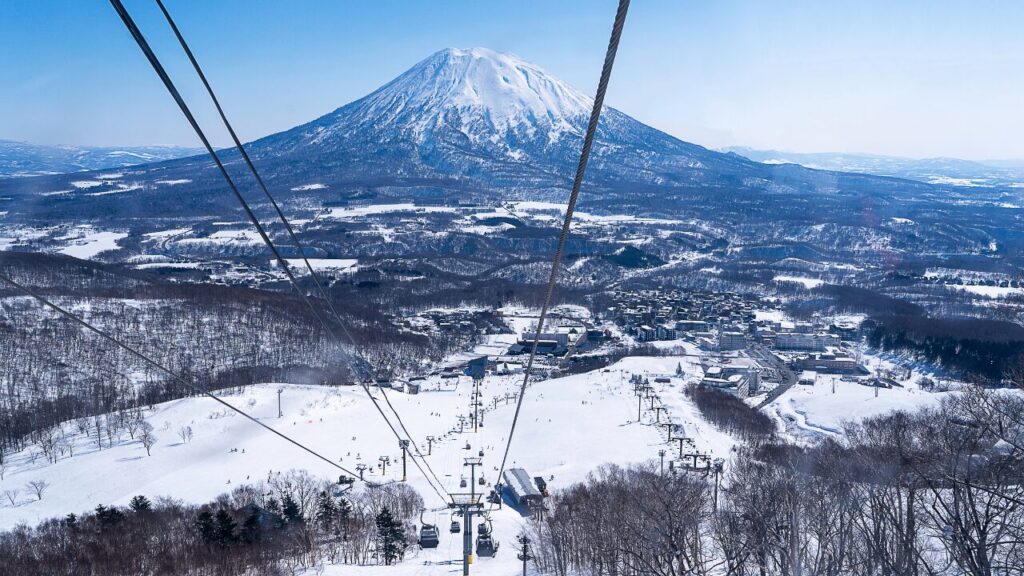
An internationally renowned ski resort famous for its light, dry powder snow known as “Japow.” Niseko offers large interconnected ski areas, modern facilities, and a wide range of accommodation from budget lodges to luxury resorts, making it ideal for both beginners and advanced skiers.
Hakuba Valley (Nagano)
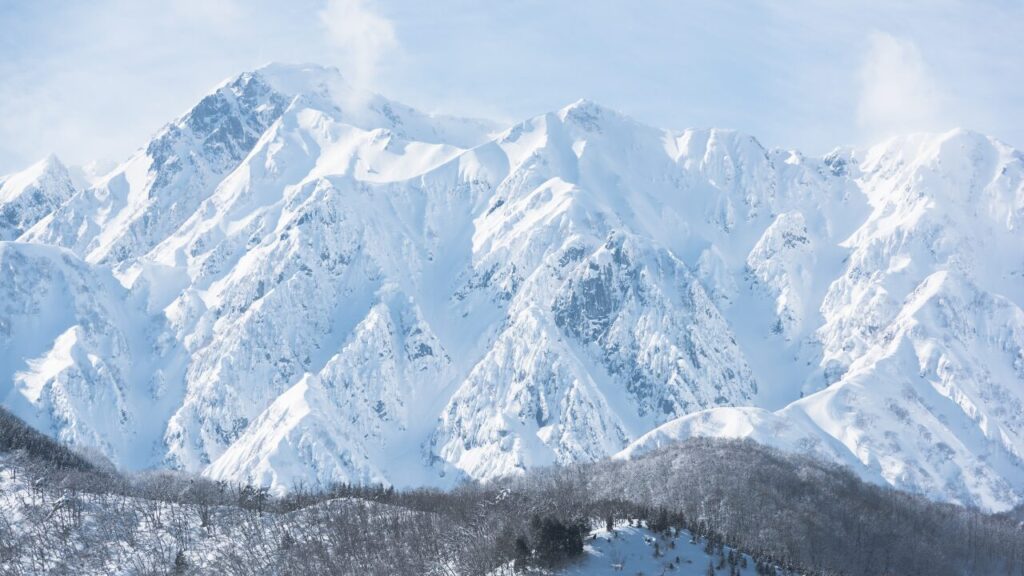
A major ski destination with multiple ski resorts spread across the valley, originally developed for the 1998 Winter Olympics. Hakuba is known for deep snow, alpine scenery, challenging terrain, and a vibrant international ski town atmosphere.
Hidden Gems (Less Crowded)

Kiroro (Hokkaido)
A quieter ski resort with excellent powder snow and fewer crowds compared to Niseko. Kiroro is ideal for skiers who prioritize snow quality and spacious slopes over nightlife.
Furano (Hokkaido)
Known for wide, well-groomed slopes and beautiful mountain views. Furano offers a more relaxed atmosphere and is great for families and intermediate skiers.
Gifu (Hida Area)
A lesser-known region with multiple local ski resorts surrounded by traditional towns like Takayama. Gifu is perfect for travelers seeking skiing combined with local culture and fewer foreign tourists.
- Takasu Snow Park – One of the largest ski resorts in Gifu, known for wide slopes, good snow quality, and easy access from Nagoya.
- Dynaland – A popular resort connected with Takasu Snow Park, offering long runs, night skiing, and varied terrain.
- Hirugano Kogen Ski Resort – A family-friendly ski area with gentle slopes, perfect for beginners and first-time skiers.
Zao Onsen (Yamagata)
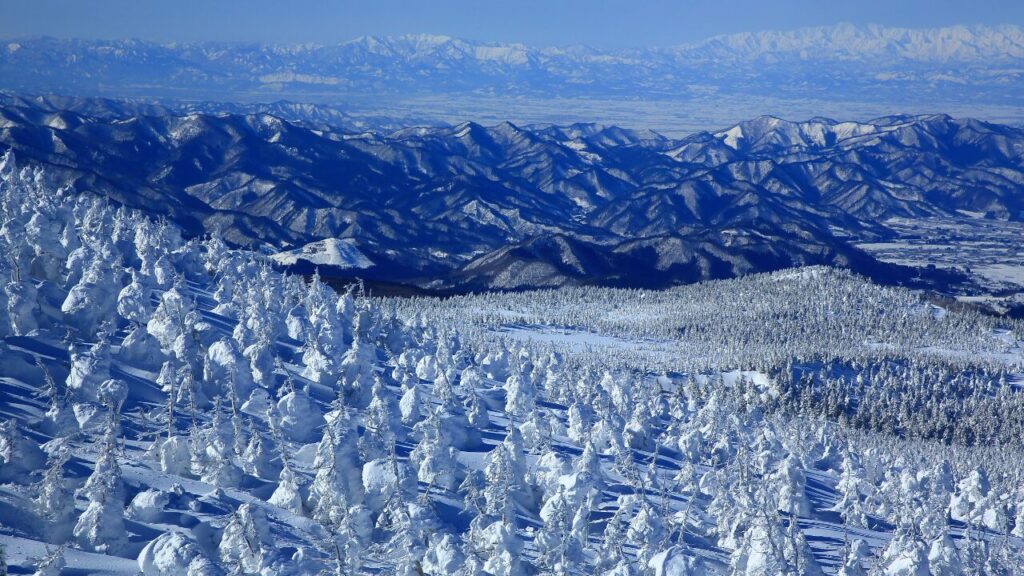
Famous for “Snow Monsters” (frozen trees) and a traditional hot spring town. Offers a unique winter experience beyond skiing.
Myoko Kogen (Niigata)
Heavy snowfall, classic Japanese ski town vibes, and easy access from Tokyo. A good balance of powder, culture, and affordability.
Mount Daisen (Tottori)
A unique ski destination in western Japan with scenic views of the Sea of Japan. Daisen is less crowded and ideal for travelers looking to explore an off-the-beaten-path ski area.
Hidden Gems (Less Crowded)
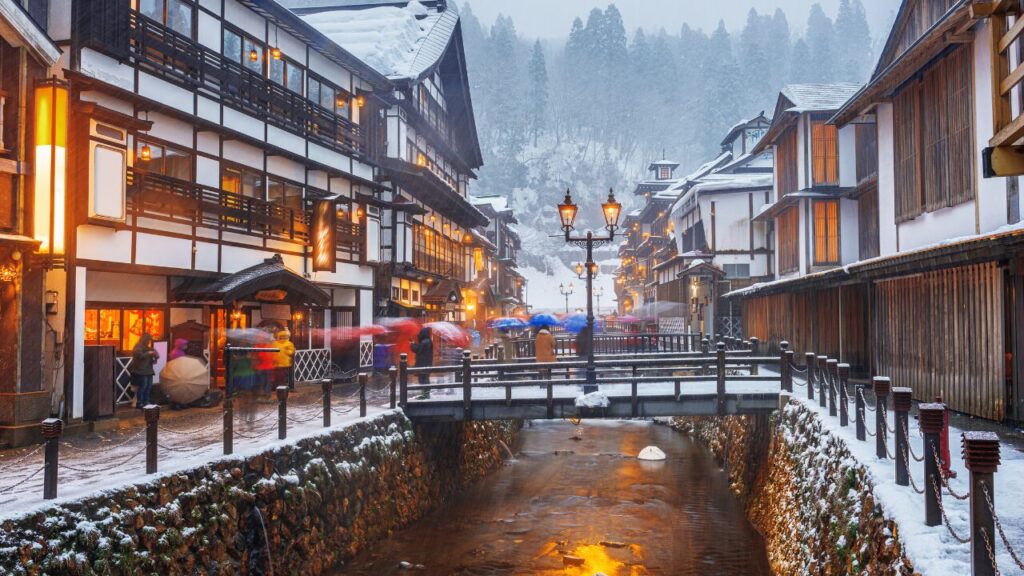
GINZAN ONSEN
A beautifully preserved hot spring town with Taisho-era wooden ryokan lining the river, creating a nostalgic, fairytale-like atmosphere that becomes especially magical when illuminated by lanterns in the snow.
NYUTO ONSEN (AKITA)
A remote hot spring area made up of traditional ryokan, surrounded by deep forests and heavy snow, offering a tranquil and authentic onsen experience away from busy tourist routes.
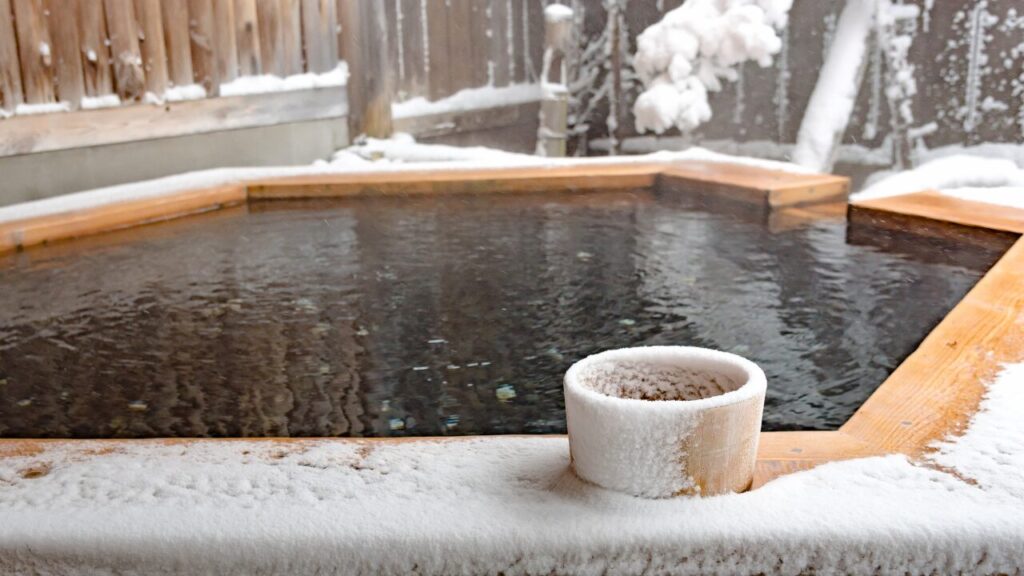
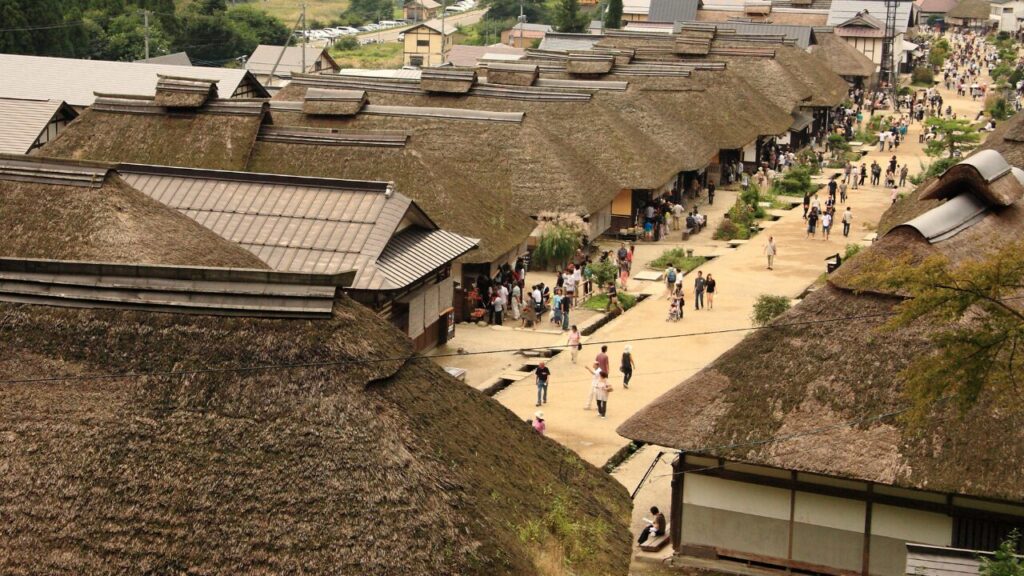
OUCHI-JUKU – A historic post town lined with traditional thatched-roof houses from the Edo period(300years ago), offering a unique winter atmosphere with snow-covered streets, local soba restaurants, and a preserved old-town charm.
Summary
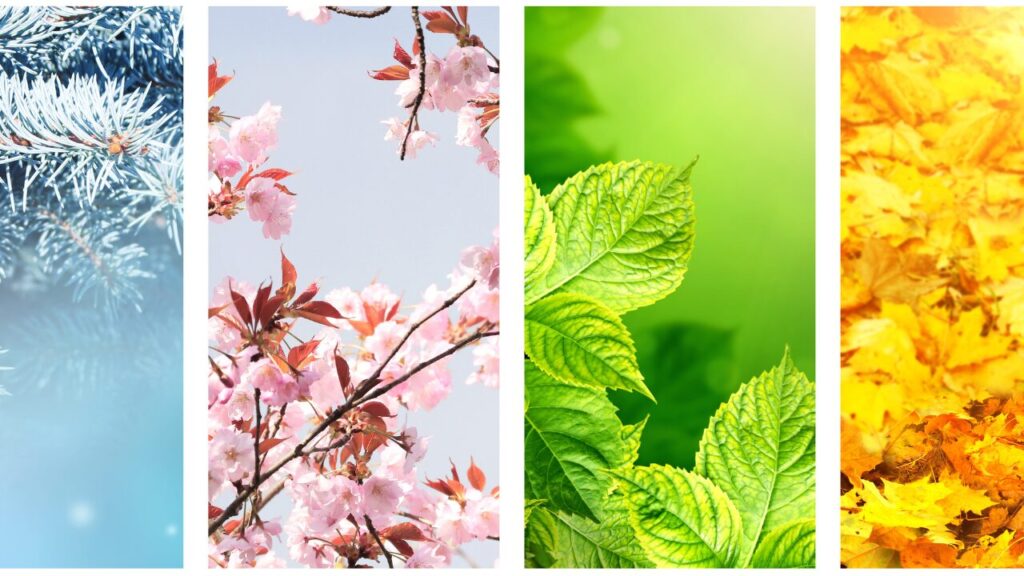
Japan is a destination that rewards travelers who plan with the seasons in mind.
Each season offers a completely different face of the country — from landscapes and weather to festivals, food, and travel style.
Spring (March – May) - Best for first-time visitors, cherry blossoms, and classic Japanese scenery.
Expect beautiful views, mild weather, and crowds at famous spots.
Summer (June – August) - Perfect for festivals, islands, mountains, and northern Japan.
Escape the heat in Hokkaido, alpine areas, or enjoy tropical vibes in Okinawa.
Autumn (September – November) - The most balanced season — stunning fall colors, comfortable weather, and fewer crowds than spring. Ideal for city walks, temples, and nature lovers.
Winter (December – February) - Best for snow, hot springs, and winter sports.
Enjoy powder snow, cozy onsen towns, and a quieter, more atmospheric Japan.
Japan offers something special all year round. Plan your trip based on the season, and you’ll experience the country at its best.
Save this guide and choose the perfect season for your Japan adventure 🇯🇵✨

Thank you for reading!! I hope you enjoy traveling Japan.
Von voyage🇯🇵