
Japan is one of the most fascinating travel destinations in the world, known for its safety, cleanliness, advanced transportation system, and unique culture. From neon-lit cities to quiet temples and stunning nature, Japan offers unforgettable experiences for first-time visitors and repeat travelers alike.
However, Japan also has many rules, customs, and systems that can be confusing if you’re not prepared. Visa conditions, strict medicine regulations, cash-based payments, transportation passes, etiquette, and even trash disposal work differently compared to many other countries.
Many travelers run into trouble simply because they didn’t know these basics before arriving — such as bringing prohibited medication, not having enough cash, or misunderstanding local manners.
This guide covers must-know tips before coming to Japan, including entry requirements, money, SIM cards, transportation, etiquette, laws, and emergency information. Whether it’s your first time visiting Japan or you want a smoother trip, this article will help you avoid common mistakes and travel with confidence.

Hola!! I am Japanese, I love traveling and have visited all prefecture (47) in Japan.
Save this guide before your trip and enjoy Japan the smart way 🇯🇵✨
ENTRY & VISA REQUIREMENTS
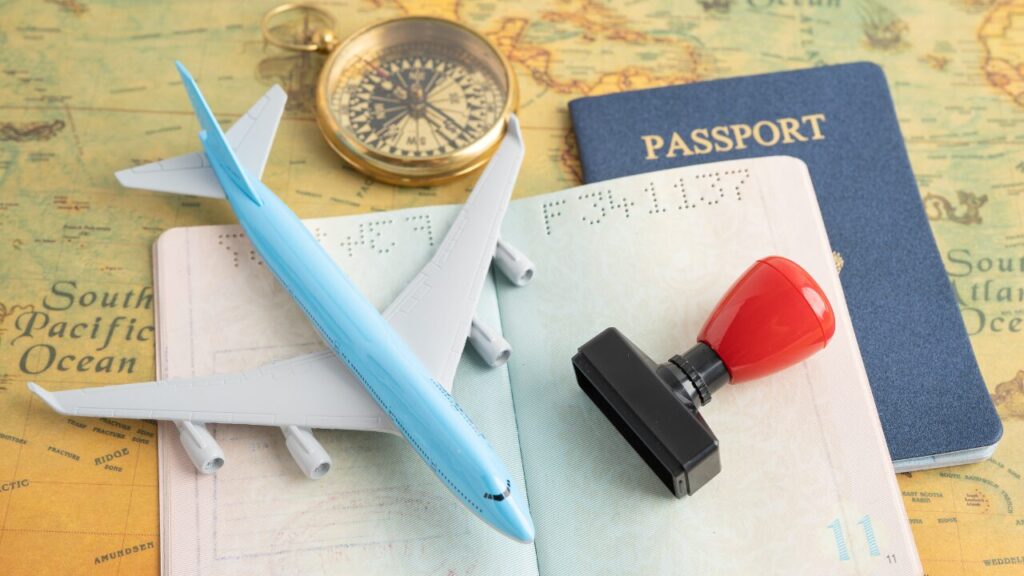
Passport & Visa
Before traveling to Japan, make sure your passport and visa status meet the entry requirements. Japan has clear but strictly enforced immigration rules, and failing to meet them may result in denied entry.
Passport Validity
Your passport must be valid for the entire duration of your stay in Japan. Japan does not require a minimum number of remaining months on your passport, but it must not expire while you are in the country. If your passport expires during your stay, you may be refused entry.
Visa-Free Entry (Up to 90 Days)
Citizens of many countries can enter Japan without a visa for tourism purposes for up to 90 days. This visa-free stay cannot be extended in most cases, and working or paid activities are strictly prohibited. Always check your country’s eligibility before traveling, as visa rules can change.
>> Check your country details Ministry of Foreign Affairs
Return or Onward Ticket Requirement
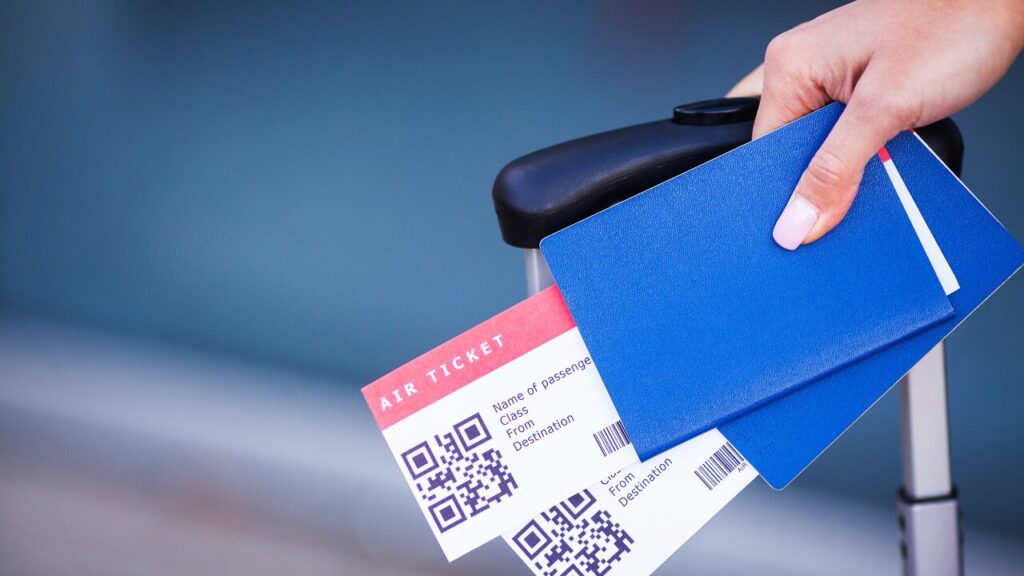
Immigration officers often require proof that you will leave Japan within the allowed period. You must have a return ticket to your home country or an onward ticket to another country. Without this, you may be denied boarding by the airline or refused entry at immigration.
Is a return or onward ticket absolutely required?
Yes — officially, a return or onward ticket is required for visa-free entry into Japan. Immigration law states that visitors must prove they will leave Japan within the permitted stay period.
However, not everyone is asked to show it.
Will Immigration Always Check?
No. In practice, Japanese immigration officers do not ask every traveler to show a return or onward ticket. Many travelers pass immigration without being asked, especially if they:
- Come from a low-risk country
- Have a clear travel history
- Stay for a short period
- Have hotel reservations
That said, immigration officers have full authority to request proof at any time.
Airlines May Check Before Immigration
Even if immigration does not ask, airlines often check for a return or onward ticket before boarding. Airlines are responsible for returning passengers who are denied entry, so they may refuse boarding if you cannot prove onward travel.
What Happens If You Don’t Have One?
If asked and you cannot show proof of onward travel:
- You may be denied boarding by the airline
- Or refused entry at Japanese immigration
- In some cases, you may be required to buy a ticket on the spot
Recommended Best Practice
Always have one of the following:
- A return flight ticket
- An onward ticket to another country
- A refundable or changeable flight
- A temporary onward ticket (valid proof, Taiwan, South Korea)
Accommodation Address
Upon arrival, immigration may ask for the address of where you will stay in Japan. This can be a hotel, hostel, Airbnb, or even a friend’s residence. It is recommended to have the accommodation name and address written down or saved on your phone for quick reference.
Travel Tip
Keep a printed or digital copy of your flight details and accommodation confirmation. This helps speed up the immigration process and reduces unnecessary questioning at the airport.
MEDICINE RULES (VERY IMPORTANT)

Japan has some of the strictest medicine and drug regulations in the world. Many medications that are legal or commonly prescribed in other countries are illegal in Japan. Not knowing the rules is not accepted as an excuse, and violations can lead to serious legal consequences.
Prohibited Drugs and Medicines
The following items are strictly prohibited from being brought into Japan, even for personal or medical use:
- Marijuana / cannabis (including medical marijuana and CBD with THC)
- Adderall and other amphetamine-based ADHD medications
- Methamphetamine-related substances
- Any drugs classified as narcotics or stimulants under Japanese law
Possession of these substances can result in arrest, detention, deportation, and long-term travel bans.
Restricted Medicines (Common Mistake)
Some over-the-counter medicines that are widely used abroad are restricted in Japan, especially cold and flu medicines.
Common examples:
- Cold medicine containing pseudoephedrine
- Medicines containing codeine
- Certain allergy and sinus medications
Even small personal amounts may be confiscated, and you may be questioned at the airport.
Prescription Medicines
Prescription medicines are not automatically allowed.
What you should prepare:
- Prescription written in English
- Doctor’s letter explaining:
- Your medical condition
- Medication name and dosage
- That the medicine is for personal use only
Some prescription medicines require official approval before arrival.
Yakkan Shoumei (Import Certificate)
For certain medications, you must apply for a “Yakkan Shoumei” before entering Japan.
Important points:
- Application must be completed before arrival
- Processing may take several days
- Approval must be shown at customs
- Without it, the medicine may be confiscated
Always check if your medication requires this certificate. Amount Limits for Personal Use
Even for allowed medicines:
- Only small quantities for personal use are permitted
- Bringing large amounts may be considered importation and is not allowed
Do not bring extra medicine “just in case.”
At the Airport (Customs Inspection)
Customs officers may:
- Inspect your luggage
- Ask about medicines you are carrying
- Request prescriptions or documents
If you are unsure about a medicine, declare it honestly. Declaring is safer than hiding it.
Best Practice Before Traveling
- Check Japan’s official medicine regulations before your trip
- Do not assume a medicine is allowed because it is legal in your country
- When in doubt, leave it at home or consult official sources
- If necessary, ask your doctor for alternatives that are legal in Japan
Travel Tip
Many common medicines can be purchased safely at Japanese pharmacies after arrival. Pharmacists are helpful, and major cities often have English support.
MONEY IN JAPAN
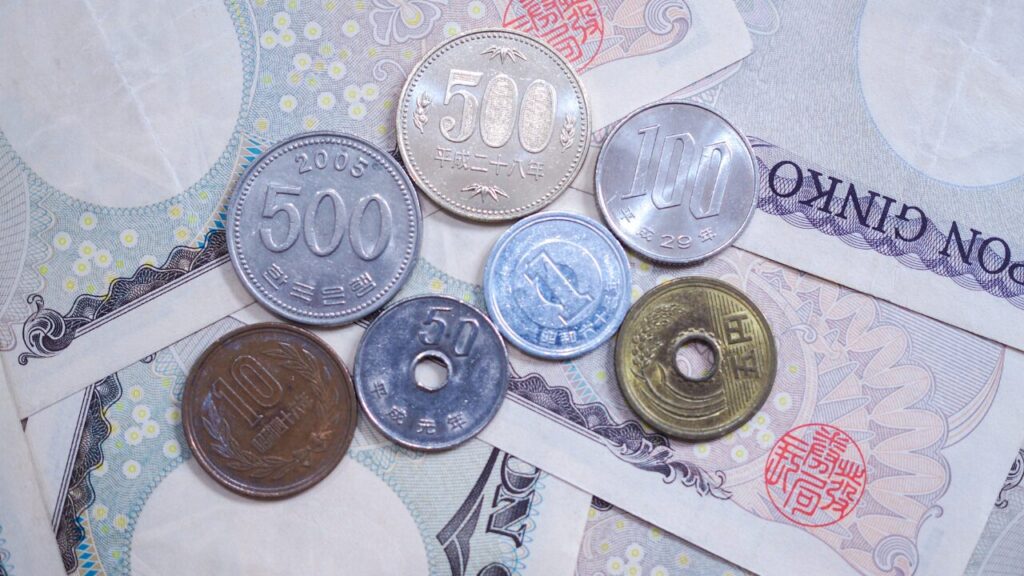
Cash is Still King
Although Japan is a modern country, cash is still widely used, especially outside major cities. Visitors who rely only on credit cards may face inconvenience.
Why Cash Is Important in Japan
Many small shops, local restaurants, street food stalls, temples, shrines, and rural accommodations do not accept credit or debit cards.
Even in cities, some places accept cards but do not accept foreign-issued cards.
If you go to famous sightseeing spot, you can use card mostly.

When I live in Tokyo, I only carry ¥5,000JPY daily.
Most of Ramen restaurant does not allow to pay by card.
How Much Cash Should You Carry?
It is recommended to carry ¥10,000–¥30,000 in cash at all times. This amount is usually enough for:
- Meals
- Local transportation
- Small purchases
- Emergencies
For longer trips or travel to rural areas, carrying slightly more cash is advisable.
Using Credit Cards
Credit cards are widely accepted at:
- Hotels
- Department stores
- Large chain restaurants and supermarket
- Major tourist attractions
- Convenience store(Seven Eleven, Low-son, Family mart)
However, smaller businesses often prefer cash, and card terminals may not work with overseas cards.
Best ATMs for Foreign Cards
Not all ATMs in Japan accept foreign-issued cards. The most reliable options are:
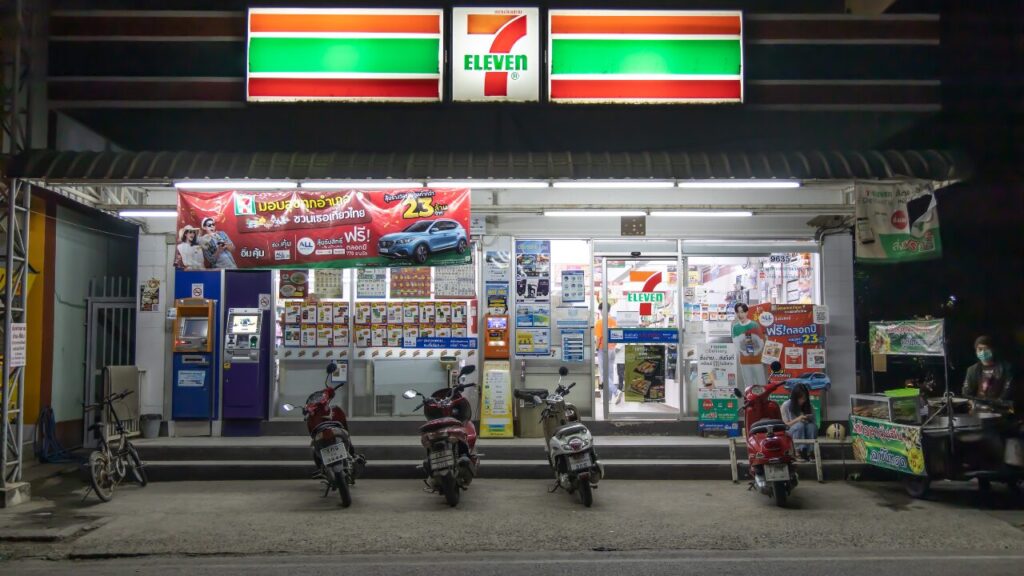
7-Eleven ATMs
- Available 24 hours
- Located nationwide
- Accept most international Visa, Mastercard, and other cards
Japan Post Bank ATMs
- Widely available across Japan
- Often located in post offices
- Some ATMs have limited operating hours
ATM fees may apply depending on your bank and card issuer.
Payment Tips
- IC cards (Suica / PASMO) can be used for trains, buses, and small purchases
- Always keep some cash even if you have cards
- Keep bills in good condition, as damaged bills may not be accepted
Travel Tip
Exchange rates at Japanese ATMs are usually better than airport currency exchange counters. Withdrawing cash after arrival is often the most cost-effective option.
INTERNET & SIM CARDS
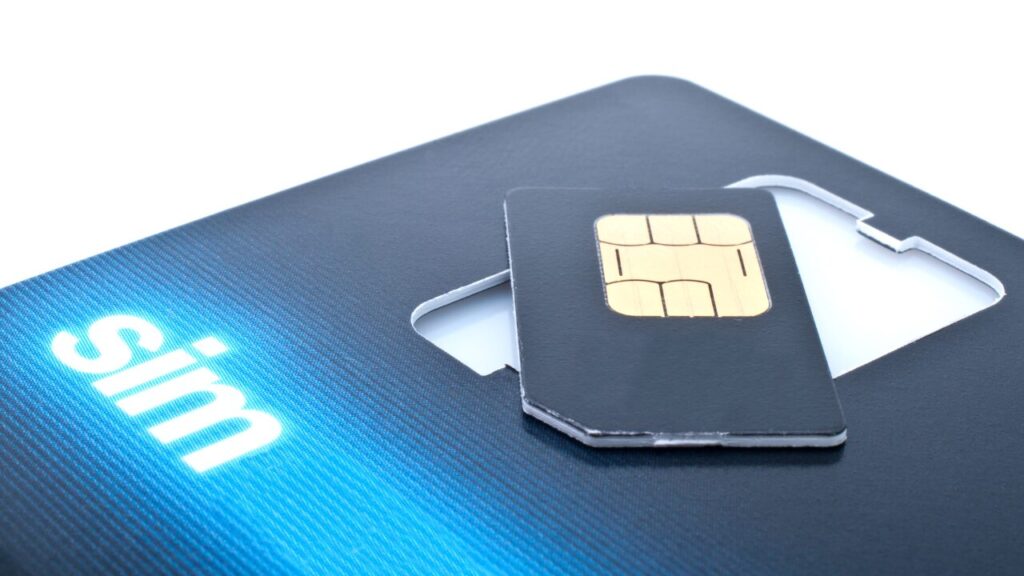
Staying connected in Japan is essential for navigation, translation, train schedules, and emergency information.
However, free public Wi-Fi is limited compared to many other countries.
Free Wi-Fi in Japan
Free Wi-Fi is available in some places such as airports, major train stations, convenience stores, and hotels. However:
- Connections are often slow or unstable
- Registration may be required
- Coverage is limited outside major cities
Do not rely on free Wi-Fi as your main internet source.
Best Options for Travelers
eSim
eSIM is one of the best options for short-term travelers.
- No physical SIM card required
- Easy online setup
- Ideal for solo travelers
- Requires an eSIM-compatible smartphone
Pocket Wi-Fi
Pocket Wi-Fi is recommended for groups or long stays.
- Multiple devices can connect
- Stable and fast connection
- Needs to be charged daily
- Slightly bulky to carry
Physical SIM Cards
Physical SIM cards are also available.
- Easy to buy at airports
- Good for unlocked phones
- You will buy at electric shop(Big camera, Yodobashi camera...)
Where to Buy
The easiest and safest place to buy a SIM card or Pocket Wi-Fi is at the airport after arrival.
Airport counters provide:
- English support
- Clear instructions
- Immediate activation
Buying in the city is possible but may be more difficult due to language barriers and need to go to the city without network.
Japanese Mobile Plans
Local mobile plans such as Rakuten, ahamo, or docomo are designed for residents. They often require:
- Japanese address
- Long-term contracts
- Identity verification
These plans are not suitable for short-term visitors.
Recommended Preparation
- Check if your phone is SIM free
- Confirm eSIM compatibility before traveling
- Compare data plans based on your trip length and data usage
Travel Tip
Set up your internet connection as soon as you arrive at the airport. Having internet access makes transportation and communication much easier from the first moment in Japan.
TRANSPORTATION IN JAPAN
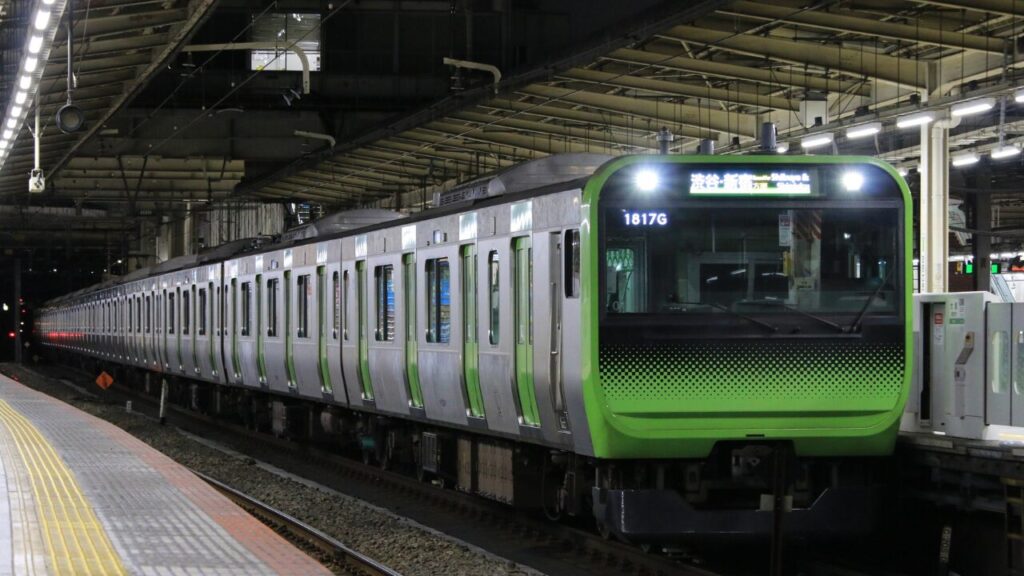
Japan’s transportation system is one of the most efficient and reliable in the world.
Understanding how it works will save you time, money, and stress during your trip.
There are option:
- Train, Subway >> city
- bus >> Kyoto
- Taxi >> anyplace in Japan
IC Cards (Suica / PASMO)
IC cards are rechargeable prepaid cards used for transportation and small purchases.
- Can be used on trains, subways, buses, and some taxis
- Accepted at convenience stores and vending machines
- Eliminates the need to buy tickets every time
You can buy and recharge IC cards at train stations and airports.
- Suica
- Welcome Suica term limited 28 days, no deposit required
- Pasmo
Trains Are Extremely Punctual
Trains in Japan are known for their accuracy.
- Delays are rare and usually only a few minutes
- Even small delays are announced and apologized for
- Always arrive on time for your train
Missing a train may significantly delay your schedule.
Behavior on Public Transport
Good manners are expected on public transportation.
- Keep your phone on silent mode
- Do not talk loudly or make phone calls
- Eating and drinking are usually discouraged on local trains
- Offer priority seats to elderly, pregnant, or disabled passengers
JR Pass Information
TheJapan Rail Pass (JR Pass)
The Japan Rail Pass (JR Pass) is a special train pass created specifically for foreign tourists visiting Japan. It allows unlimited travel on most JR-operated trains for a fixed period of time and can be a good way to save money if used correctly.
Who Can Use the JR Pass
The JR Pass is available only to:
- Foreign visitors entering Japan under a “Temporary Visitor” status
- Short-term tourists staying up to 90 days
Japanese residents and long-term visa holders are not eligible.
Purchase Requirement (Before Arrival)
The JR Pass must be purchased before arriving in Japan.
- It cannot be bought after entering Japan
- Purchase is done online or through authorized agents
- After arrival, you exchange the voucher for the actual pass at JR offices
Without pre-purchase, you cannot use the JR Pass.
Unlimited Travel on JR Trains
The JR Pass allows unlimited rides on:
- JR local, rapid, and limited express trains
- Most JR Shinkansen (bullet trains)
- JR buses and JR ferries (such as the Miyajima ferry)
Not included:
- Nozomi and Mizuho Shinkansen
- Non-JR private railways
- Subways and city buses (except JR-operated ones)
Validity Periods
JR Passes are available for:
- 7 days
- 14 days
- 21 days
The pass is valid for consecutive calendar days, not 24-hour periods.
Is the JR Pass Worth It?
The JR Pass is cost-effective only if you travel long distances frequently.
Examples where JR Pass makes sense:
- Tokyo → Kyoto → Osaka → Hiroshima
- Multiple Shinkansen trips within a short time
- Not for backpacker and long term traveler
If you stay in one city or travel short distances, buying individual tickets or using IC cards is usually cheaper.
Seat Reservations
With a JR Pass:
- You can reserve seats for free at JR ticket offices
- You can also use non-reserved cars without booking
During peak seasons, seat reservations are highly recommended.
I recommend you to avoid this term, We also travel in japan.
Other Transportation Options
Buses
- Useful for rural areas and short-distance travel
- Often require exact change or IC card
Taxis
- Clean and safe but expensive
- Doors open automatically (do not touch them)
- Cash and cards are accepted in most taxis
Flights
- Often faster than trains for distant regions
- Useful for traveling to Okinawa, Hokkaido, or remote islands
- Budget airlines offer affordable fares if booked in advance
Major domestic airlines:
- Japan Airlines (JAL)
- All Nippon Airways (ANA)
- Peach Aviation, Jetstar Japan, and other low-cost carriers
Domestic flights are sometimes cheaper than the Shinkansen, especially for long routes.
Travel Tip
Use apps such as Google Maps or Japan Transit Planner to check routes, platforms, and schedules. These apps are highly accurate in Japan and very reliable for daily travel.
JAPANESE ETIQUETTE & MANNERS
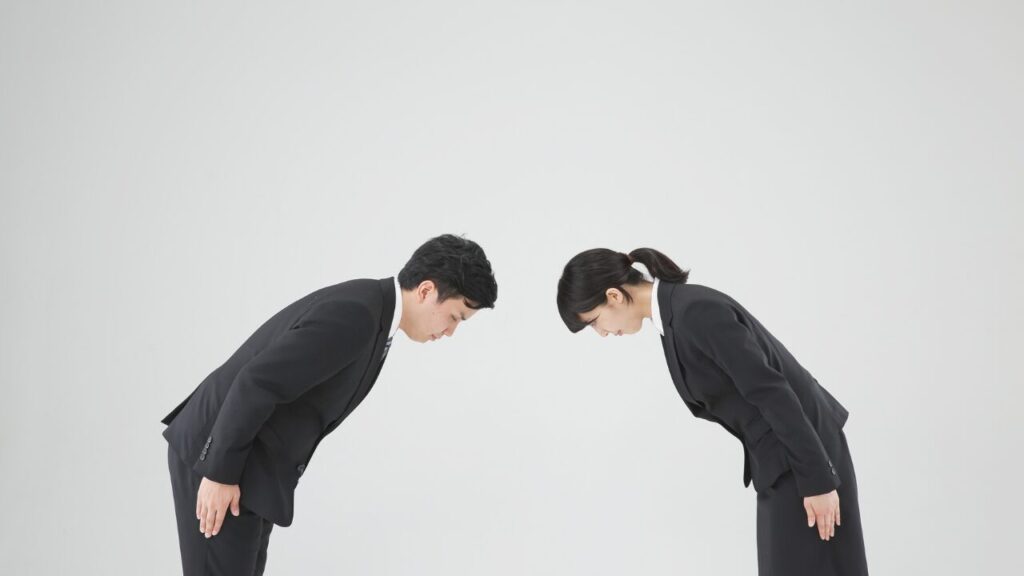
Japanese society places a strong emphasis on respect, harmony, and consideration for others.
Following basic etiquette will help you avoid uncomfortable situations and show respect to local culture.
No Tipping Culture
Tipping is not practiced in Japan.
- Service charges are already included in prices
- Excellent service is considered standard
Simply say “thank you” instead of leaving a tip, However, you are really impressed, you can give them a tip for your kindness.
Quiet Behavior in Public
Keeping noise levels low is very important.
- Avoid loud conversations in public places
- Do not talk loudly on trains or buses
- Phone calls on public transport are discouraged
Set your phone to silent mode when using public transportation.
Lining Up and Order
People in Japan line up carefully and patiently.

- Always stand in line and wait your turn
- Follow floor markings at train platforms and shops
- Do not cut in line
This applies everywhere, including elevators, trains and buses.
If you want to go famous restaurant especially ramen, you will line for having it.
Shoes Off Indoors
Shoes must be removed in many indoor spaces.
- Homes
- Traditional inns (ryokan)
- Temples and some restaurants
Indoor slippers are often provided. Never step on tatami mats with shoes.
Eating and Drinking in Public
Eating while walking is generally discouraged.
- Eat near where you buy food
- Eating on local trains is not recommended
- Eating on long-distance trains (Shinkansen) is acceptable
Always clean up after yourself
Smoking Rules
Smoking is strictly regulated.
- Smoking is allowed only in designated smoking areas
- Smoking while walking is prohibited in many cities
- Fines may apply for violations
Travel Tip
When unsure, observe what local people are doing and follow their behavior. Respect and awareness go a long way in Japan.
TRASH & CLEANLINESS
Japan is famous for being extremely clean, yet trash cans are surprisingly hard to find.
This is not because cleaning staff are everywhere, but because people take responsibility for their own waste.
Public trash cans are rare in Japan
- Removed from many public areas for security reasons
- People are expected to take trash home
- Convenience stores may have bins, but they are for store customers only
Do not assume you can throw away trash anywhere.
Carry Your Trash With You
It is normal to carry your trash until you find a proper place to dispose of it.
- Bring a small bag for trash
- Keep wrappers and bottles in your backpack
- Dispose of trash at your hotel or accommodation
This behavior is considered polite and responsible.
Garbage Separation Rules
Japan has strict garbage separation rules.
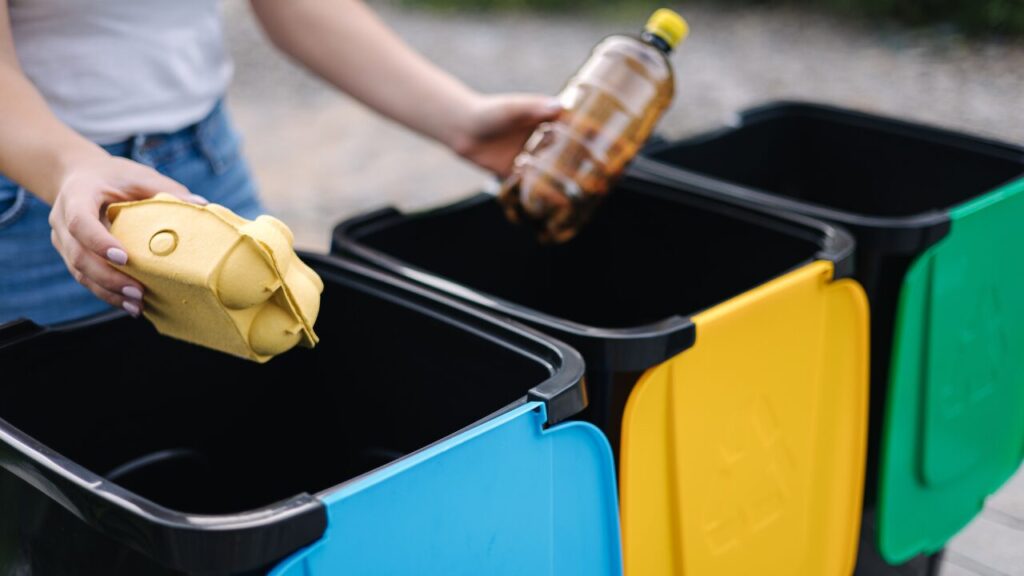
Common categories include:
- Burnable trash
- Non-burnable trash
- Plastic
- Cans and bottles
Rules vary by city, so always follow local instructions.
No Public Littering
Littering is socially unacceptable.
- Streets remain clean without frequent trash bins
- People rarely eat while walking
- Public spaces are respected by everyone
Littering may result in fines in some areas.
Travel Tip
If you plan to eat street food or use vending machines, carry a small reusable bag for trash. This simple habit will make your day much easier in Japan.
Important Laws in Japan
Japan is a very safe country, but its laws are strictly enforced.
Some rules may be different from what visitors are used to, and not knowing the law is not accepted as an excuse.
Zero Tolerance for Drugs
Japan has zero tolerance for illegal drugs.
- Marijuana is illegal, including medical marijuana
- Possession of even small amounts is a serious crime
- Penalties include arrest, detention, deportation, and long-term entry bans
Drug-related laws are strictly enforced with no exceptions.
Public Drinking
Public drinking is legal in Japan.
- Drinking alcohol in parks or on the street is generally allowed
- Local rules may apply during events or festivals
- Always drink responsibly and avoid causing disturbance
Being drunk and disruptive can lead to police involvement.
Jaywalking and Traffic Rules
Jaywalking is illegal in Japan.
- Always cross the street at designated crosswalks
- Follow traffic signals strictly, even if the road is empty
- Police may issue warnings or fines
Bicycles are considered vehicles and must follow traffic laws.
Photography Rules
Photography is not allowed everywhere.
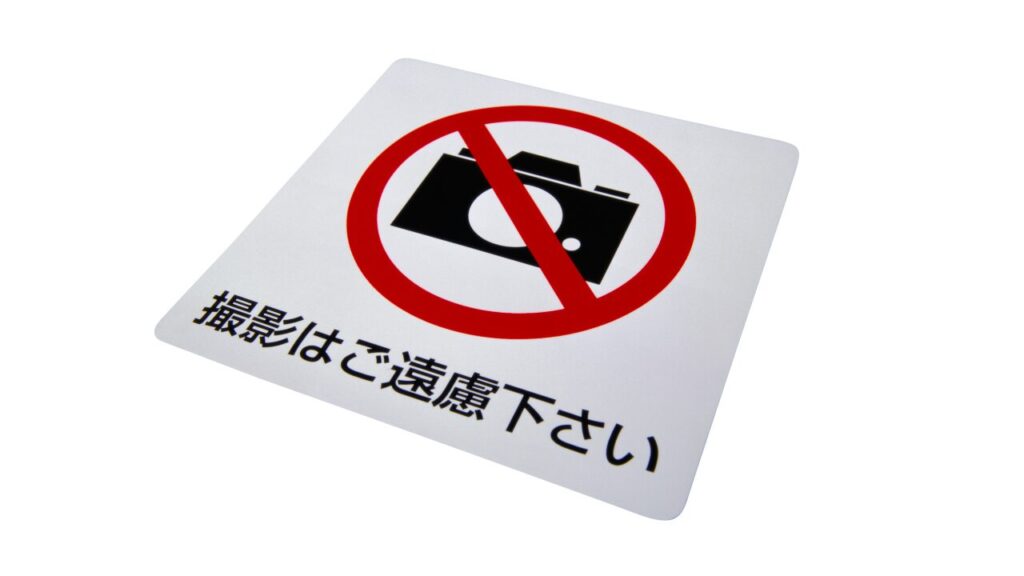
- No photography in some temples, shrines, and museums
- Taking photos of people without consent can cause problems
- Photography in restricted areas (e.g., stations, military-related sites) may be prohibited
Always look for signs and follow instructions.
Identification Requirement
Police may ask you to show identification.
- Foreign visitors must carry their passport at all times
- Failure to present identification may result in questioning
Keeping a copy is useful, but the original passport is required by law.
Travel Tip
When in doubt, follow posted signs and observe local behavior. Japanese laws prioritize public order and respect for others, and compliance will ensure a smooth and trouble-free trip.
EMERGENCY INFORMATION
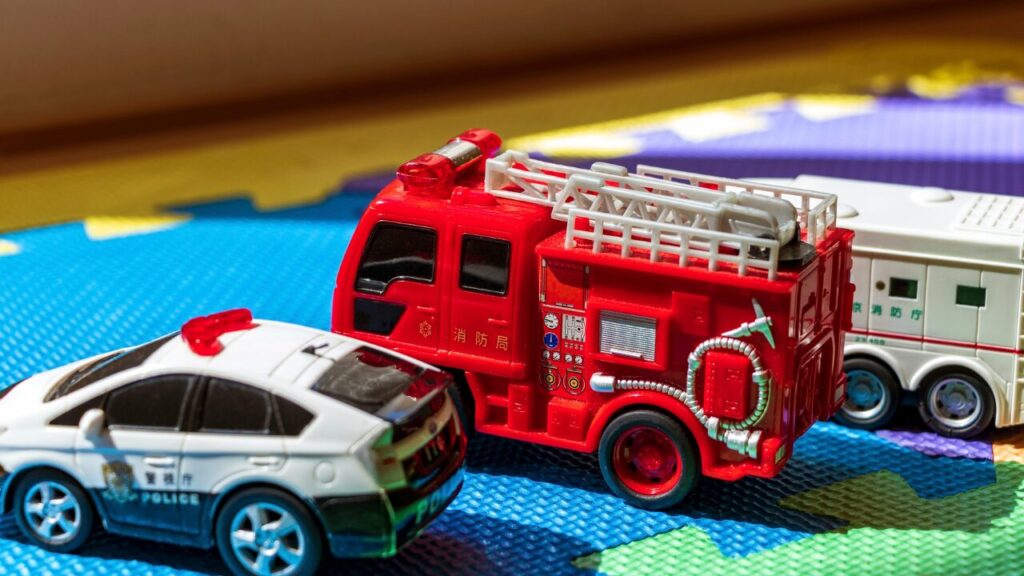
Japan is a very safe country, but it’s important to know what to do in case of an emergency.
Save the following information before traveling.
Emergency Phone Numbers
- Police: 110
- Ambulance / Fire: 119
These numbers are free to call from any phone in Japan. English support may be limited, so speak slowly and clearly.
If You Get Sick or Injured
Hospitals and clinics in Japan are clean and reliable, but English-speaking staff may not always be available.
- Large hospitals in major cities are more likely to offer English support
- Always bring your passport when visiting a hospital or clinic
- Payment is usually required on the same day (cash or card)
Travel insurance is strongly recommended.
Natural Disasters (Earthquakes & Typhoons)
Japan experiences earthquakes, typhoons, and heavy rain, but disaster response is very organized.
- During earthquakes, stay calm and follow local instructions
- Typhoons are usually forecast in advance
- Follow official warnings and evacuation notices if issued
Do not panic — locals are well-trained and systems are reliable.
Police Boxes (Koban)
Small police stations called Koban are located near train stations and busy areas.
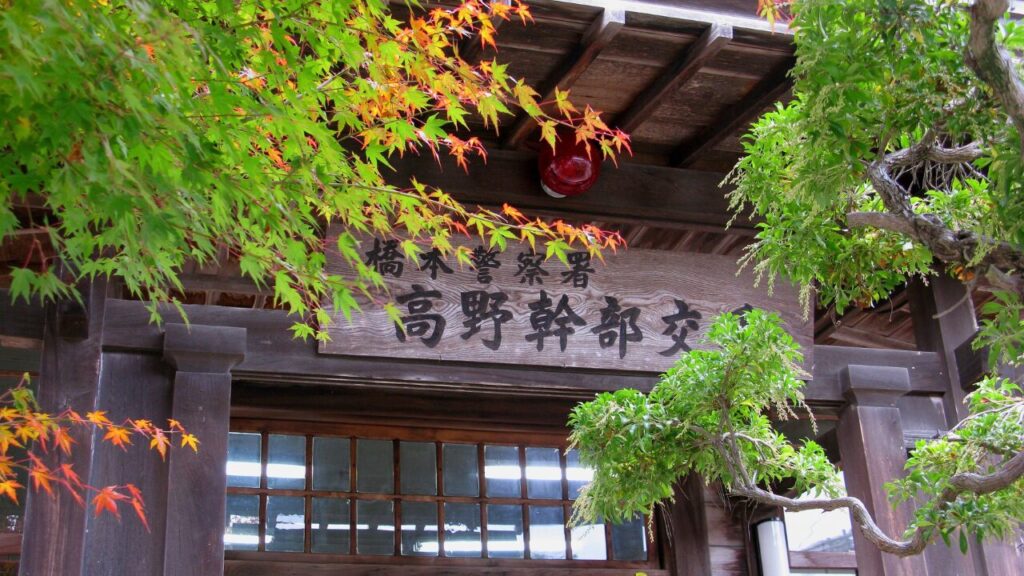
You can visit a Koban if you:
- Get lost
- Lose something
- Need directions or help
Police officers are generally helpful and friendly.
Lost Items in Japan
Japan has an excellent lost-and-found system.
- Lost items are often returned intact
- Report immediately at a Koban, train station office, or police station
- Keep any receipts or ticket information if possible
The chance of getting your item back is surprisingly high.
Embassies & Consulates
Contact your country’s embassy or consulate if:
- You lose your passport
- You are arrested or involved in a serious incident
- You need emergency travel documents
Save your embassy’s contact details before arriving in Japan.
Summary: What You Should Remember
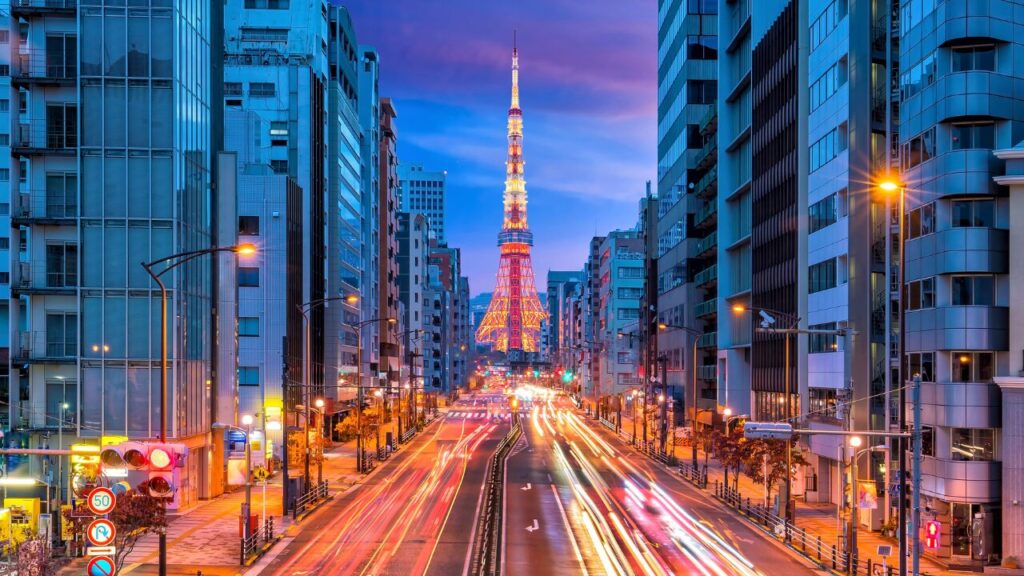
Japan is one of the safest, cleanest, and most organized countries in the world, but it also has many unique rules and customs that may feel unfamiliar to first-time visitors.
By understanding visa requirements, medication rules, transportation systems, etiquette, and daily life basics, you can avoid trouble and enjoy a smooth and stress-free trip.
Japanese people are generally kind, respectful, and helpful, especially when visitors make an effort to follow local rules and manners.
- Japan has strict visa, immigration, and medicine regulations
- Some common medications are illegal — always check before traveling
- Cash is still widely used; carry enough yen at all times
- Public transportation is reliable, but rules and etiquette are important
- Following local manners and laws ensures a smooth, trouble-free trip
A little preparation goes a long way in Japan.
Respect the culture, stay informed, and enjoy everything this incredible country has to offer.
Save this guide, plan ahead, and have an amazing trip to Japan 🇯🇵✨
Thank you for reading. I hope this information will help you.